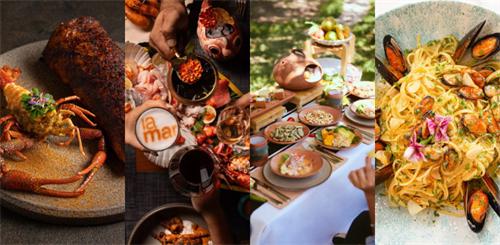
Few cities embody the interplay of history, cultural fusion, and ecological abundance as vividly as Lima, the coastal capital of Peru. Perched along the Pacific Ocean, Lima has evolved into a vibrant gastronomic powerhouse, repeatedly crowned the World’s Leading Culinary Destination. Its global influence does not stem solely from a handful of famous restaurants or celebrated chefs. Instead, it is rooted in a deeper convergence of geography, historical migration, and cultural creativity. Together, these forces have produced one of the most dynamic culinary ecosystems on the planet, making Lima a pilgrimage site for food lovers worldwide.
I. The Gift of Three Ecological Worlds: Nature as Lima’s Culinary Foundation
To understand why Lima’s cuisine has such astonishing depth, one must start with Peru’s extraordinary natural environment. Peru encompasses three major ecological regions—the coast, the Andes, and the Amazon rainforest—each contributing an immense variety of ingredients.
Within a single country, chefs can access a spectrum of products that would normally require crossing continents:
- From the Pacific coast: abundant seafood that fuels emblematic dishes like Ceviche.
- From the Andean highlands: quinoa, alpaca meat, ancient tubers, and countless potato varieties.
- From the Amazon jungle: tropical fruits, medicinal herbs, spices, and freshwater giants like the Paiche.
Markets in Lima resemble living natural museums. Shoppers encounter potatoes in an array of shapes and colors—deep purple, ruby red, bright yellow—revealing the region’s remarkable biodiversity. One highland staple, Causa, made from mashed yellow potatoes layered with chicken, tuna, or eggs, reflects how indigenous traditions continue to inspire modern Peruvian cooking.
Even though Lima itself sits in a tropical desert climate—famously described as “the city where it hasn’t truly rained in 600 years”—this environment has not hindered its culinary development. The cold Humboldt Current enriches coastal waters, creating ideal fishing conditions. Meanwhile, Lima serves as the distribution hub through which ingredients from the mountains and jungle flow into a unified gastronomic center. This geographic advantage laid the groundwork for Lima’s culinary ascent long before global recognition arrived.
II. Lima as a Cultural Melting Pot: A Cuisine Shaped by Centuries of Migration
Lima’s culinary landscape mirrors Peru’s history. Peruvian cuisine is not merely a blend of flavors; it is the product of centuries-long interactions among indigenous civilizations, European colonizers, enslaved Africans, and Asian immigrant communities. These layers of influence created a distinct culinary identity that is neither purely traditional nor wholly foreign, but something uniquely Peruvian.
1. Indigenous Foundations
Long before Europeans arrived, the Inca and pre-Inca civilizations mastered the cultivation of the Andes. They domesticated:
- potatoes
- maize
- chili peppers
- tubers like oca and mashua
These ingredients form the backbone of Peruvian cooking to this day.
2. Spanish Influence: New Techniques and Ingredients
Spanish colonialism introduced a wealth of new components:
- livestock such as cows, sheep, and pigs
- onions, garlic, and herbs
- European dairy and cheese traditions
- stewing, baking, and frying techniques
Over time, these elements merged with indigenous foods. A well-known example is a creamy chicken stew made with aji amarillo (yellow chili), cheese, garlic, and milk—believed to have originated when French immigrants fleeing the Revolution adapted their culinary knowledge to local Peruvian ingredients.
3. African Heritage: Flavor Through Ingenuity
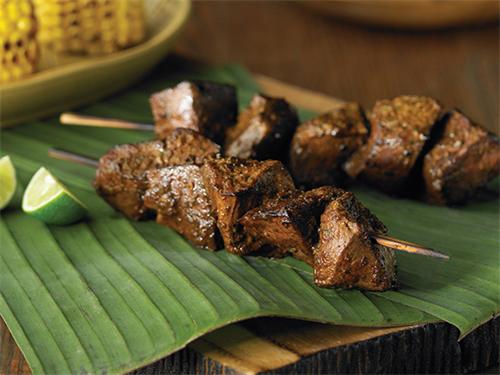
Anticuchos
African slaves brought to Peru contributed significantly to coastal and urban food traditions. Dishes like Anticuchos (grilled beef heart) reflect African techniques of maximizing flavor from inexpensive cuts. Their influence added depth and bold seasoning to everyday Peruvian street fare.
4. Chinese Immigrants: A Transformational Culinary Revolution
In the mid-19th century, thousands of Cantonese laborers arrived in Peru, profoundly reshaping the country’s taste preferences. They introduced:
- wok-based stir-frying
- soy sauce and oyster sauce
- ginger, scallions, and garlic
- rice-based dishes
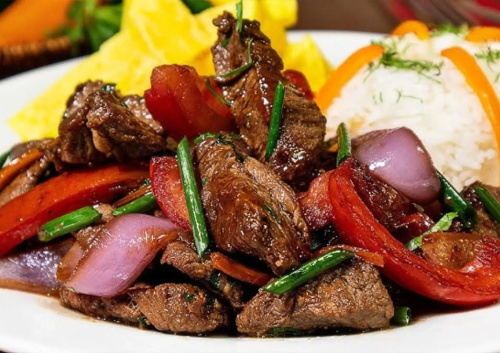
Lomo Saltado
The result was Chifa, one of the most successful examples of Chinese fusion cuisine outside Asia. Signature dishes include:
- Lomo Saltado, a stir-fried beef platter blending wok hei with Andean beef and Peruvian chilies
- Chaufa, Peruvian-style fried rice
- Wantan (wontons) and Sijaukay (soy-sauce chicken)
The integration was so thorough that Chifa is now considered part of mainstream Peruvian culture, even appearing as a motif on local currency. This unique Chinese-Peruvian fusion remains a defining pillar of Lima’s culinary identity.
III. From Mountains to Rainforest: A Journey Across Peru on the Lima Table
One of Lima’s great strengths lies in its ability to reinterpret flavors from the country’s diverse ecosystems and present them cohesively within a single urban dining scene.
1. Coastal Cuisine: Fresh, Bright, and Bold
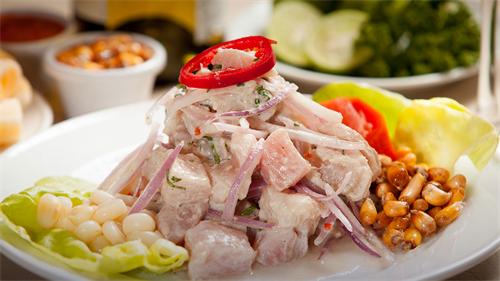
Ceviche
Ceviche is the undisputed champion of coastal cooking. Fresh white fish cured in lime juice and mixed with onions, cilantro, and chilies captures the essence of Lima’s maritime character—sharp, refreshing, unapologetically vibrant.
2. Highland Traditions: Ancient Grains and Lean Proteins
- Quinoa, once humble farmers’ food, now appears in salads, stews, and even desserts.
- Alpaca meat, naturally lean and tender, appeals to health-conscious diners and high-end chefs alike.
- A diverse array of Andean tubers adds earthy complexity and textural variety to modern recipes.
These ingredients showcase the longevity and adaptability of Andean culture.
3. Amazonian Inspirations: Wild, Lush, and Surprising
Amazonian fusion cuisine is increasingly prominent in Lima’s restaurants. Key elements include:
- Paiche, one of the world’s largest freshwater fish, prized for its firm, delicate flesh
- Aji Charapita, tiny yet explosively spicy chili peppers
- fruits such as camu camu and palm fruits, which add acidity, sweetness, or floral notes
These jungle flavors inject creativity and intrigue into Lima’s culinary repertoire, connecting urban diners with the rainforest’s biodiversity.
IV. A Dual Culinary Identity: Fine Dining Meets Street Culture
Lima’s gastronomic power arises from a harmonious coexistence between cutting-edge haute cuisine and a thriving street-food ecosystem.
1. Fine Dining: Transforming Peruvian Ingredients into Global Art
Restaurants such as Central, Maido, and Astrid & Gastón have elevated Peruvian cuisine to international fame. Their chefs use contemporary techniques to reinterpret native ingredients and to tell stories about Peru’s geography, history, and cultural identity.
Central, for instance, organizes its tasting menu by altitude, guiding diners through Peru’s ecological strata—from the depths of the ocean to the heights of the Andes. This concept has made the restaurant an icon of gastronomic storytelling.
2. Street Food: The Beating Heart of Daily Life
Yet Lima’s identity as a “culinary capital” would not be complete without its lively neighborhood eateries, known as Huariques. These humble restaurants and street vendors serve classics such as:
- Anticuchos
- Papa Rellena (stuffed fried potatoes)
- Ceviche
- hearty soups and stews
These dishes are affordable, flavorful, and deeply tied to local history. They embody the rhythms of everyday Peruvian life and offer visitors the most authentic entry point into the nation’s culinary soul.
V. Cuisine as a Cultural and Economic Catalyst
In today’s Peru, gastronomy has moved beyond the kitchen. It plays a vital role in shaping national identity, stimulating economic development, and enhancing Peru’s position on the global stage.
1. Gastronomy as an Economic Engine
The food sector generates substantial employment across:
- restaurants and bars
- markets and distribution networks
- tourism and hospitality
- culinary schools and food-related experiences
Neighborhoods such as Miraflores and Barranco have transformed into vibrant cultural districts thanks to this culinary renaissance.
2. A Shared Language for a Diverse Nation
Food has become a unifying force in a country with many ethnicities and social realities. It offers Peruvians a sense of shared pride and belonging, bridging differences and celebrating common heritage.
3. Gastronomy as Peru’s Global Identity
The Peruvian government actively promotes cuisine abroad as a tourism magnet. In an era when cultural diplomacy matters more than ever, food serves as one of Peru’s most persuasive ambassadors.
Conclusion: Lima’s Cuisine as an Edible Chronicle of Civilization
Lima’s rise as the world’s culinary capital is not accidental. It is the product of centuries of migration, cultural openness, geographical abundance, and creative reinvention. The city stands at the crossroads of history and biodiversity, transforming each influence into something original and compelling.
To eat in Lima is to taste a living history—an edible narrative that spans coast, mountains, and rainforest; indigenous roots and global migrations; ancient traditions and contemporary artistry.
In every dish, one encounters not only flavor, but the evolving story of Peru itself.
Recommend:

Tea Cultures Around the World: Rituals, History, and Meaning
The Cultural History of Bread: From Sacred Symbol to Everyday Staple
Why Some Cultures Consider Certain Animals Food—While Others Reject Them Entirely
Why New Orleans Cuisine Is a Cultural Wonderland of African, French, and Caribbean Influences