In the American South, there is a city where jazz floats through the humid air, where every narrow street whispers century-old stories, and where spices ignite the senses with a vibrant, unforgettable warmth. This is New Orleans—often called “the Soul of America” and widely known as one of the most culturally exotic and richly layered cities in the United States.
Located near the mouth of the Mississippi River, New Orleans has long been a crossroads of trade, migration, and cultural exchange. As the largest city in Louisiana and a major port, it has absorbed and transformed influences from France, Spain, West and Central Africa, the Caribbean, and the early American South. Its cuisine is not simply local food—it is a living archive of global encounters.
1. From French Colony to Cultural Crossroads: How History Shaped the Table
New Orleans was founded in 1718 by the French explorer Jean-Baptiste Le Moyne de Bienville. As a French colony—and later a territory briefly ruled by Spain—the city inherited European architecture, Catholic traditions, and a deeply cosmopolitan character. Today, the French Quarter remains the cultural heart of New Orleans: cobblestone streets, wrought-iron balconies, pastel facades, intimate courtyards, and bustling music-filled bars create an atmosphere unlike anywhere else in the United States. Bourbon Street, the most famous artery of this district, represents the city’s spirit of indulgence, celebration, and freedom.
A turning point arrived in 1803, when the Louisiana Purchase transferred New Orleans to the United States. From then on, the city became a magnet for diverse populations—French Creoles, African slaves, free people of color, Caribbean migrants, Spanish administrators, American settlers, and Native American communities.
These groups did not merely coexist; they blended. Their languages, beliefs, rituals, and food traditions intertwined, giving rise to the distinctive Creole culture and, later, the Cajun culture shaped by displaced French-speaking Acadians from Canada.
New Orleans cuisine emerged from this sustained intermingling of peoples, shaped by adaptation and survival as much as creativity and abundance.
2. Three Pillars of Flavor: French, African, and Caribbean Influences
1) French Contributions: Techniques, Structure, and Culinary Elegance
The French left a profound imprint on cooking practices in New Orleans:
- Roux (butter-flour base) became a foundational technique for thickening soups and stews.
- Stock-based cooking added complexity and depth to broths and sauces.
- Baking and café culture introduced pastries, breads, and the famous beignet.
- Multi-course dining traditions brought refinement to local gastronomy.
French influence gave New Orleans cuisine its technical backbone—its sense of balance, structure, and culinary sophistication. Without it, dishes like gumbo or étouffée would not possess their signature richness.
2) African Influences: Flavor, Ingenuity, and the Soul of the Pot
African traditions shaped both ingredients and the philosophy of cooking:
- Okra (originally from West Africa) is both a key vegetable and the linguistic root of “gumbo.”
- Black-eyed peas and beans, central to African diets, became staple ingredients.
- Resourceful use of all animal parts—pig’s feet, offal, bones—came from enslaved people’s need to maximize limited resources.
- Rice-growing knowledge from West Africans turned rice into a culinary staple of Louisiana.
Perhaps most influential was the African tradition of one-pot cooking, where spices, vegetables, grains, and proteins simmer together to create deeply layered flavors. This approach directly shaped iconic dishes like gumbo and jambalaya.
African culinary wisdom gave New Orleans food its warmth, resilience, and emotional depth—a cuisine defined as much by practicality as by creativity.
3) Caribbean Influences: Heat, Herbs, and Tropical Intensity
The Caribbean region—already a historic melting pot of African, European, and Indigenous cultures—added its bold flavors through migration and trade:
- Peppers and allspice
- Aromatic herbs like thyme and bay leaf
- Marinating, stewing, and slow cooking techniques
Caribbean flavors enhanced New Orleans cuisine with their intensity and vibrancy. They introduced a spice-forward profile that distinguishes local dishes from the milder European traditions that preceded them.
3. Not Just Fusion—A Deep Dialogue Between Cultures and Local Ecology
What truly sets New Orleans cuisine apart is that these international influences were not simply layered on top of each other. Instead, they interacted with the unique environment of southern Louisiana, where freshwater wetlands, swamps, and the Gulf Coast create a rich biodiversity.
Local ingredients became essential building blocks:
- Crawfish
- Blue crabs
- Gulf shrimp and oysters
- Alligator
- Local herbs and vegetables
When French roux met African okra, or when Caribbean peppers mingled with Louisiana crawfish, new flavors emerged that belonged nowhere else but New Orleans. This process gave rise to two major but interconnected culinary traditions:
1. Creole cuisine — urban, refined, influenced by European techniques, and rich with diverse ingredients.
2. Cajun cuisine — rural, rustic, bold, born from French Acadian settlers adapting to their new environment.
Both traditions continue to define the regional identity of southern Louisiana.
4. Iconic Dishes: New Orleans as a World Map Served on a Plate
1) Creole Gumbo: A Culinary Time Capsule
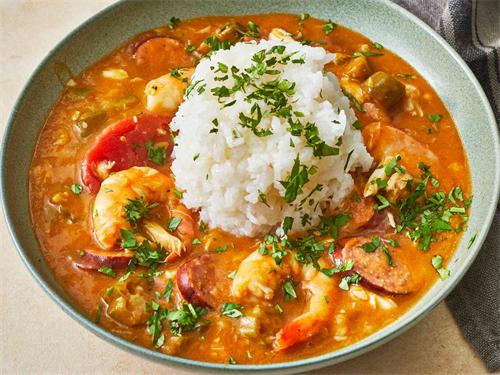
Creole Gumbo
Perhaps no dish illustrates cultural fusion better than gumbo. It is at once:
- African (okra)
- French (roux and stock)
- Spanish (tomatoes)
- Caribbean (spices)
- Native American (file powder in some versions)
- And distinctly Louisianan (shrimp, crab, Andouille sausage)
Each steaming bowl of gumbo is a culinary record of migration, resilience, and adaptation.
2) Jambalaya: Louisiana’s Answer to Paella
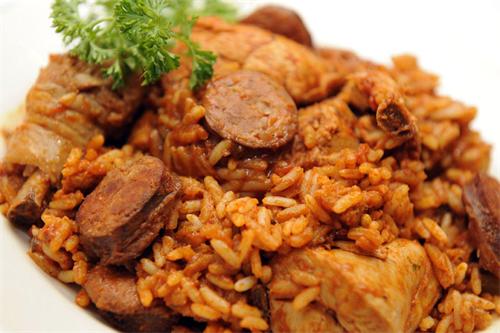
Jambalaya
Often described as a Cajun interpretation of Spanish paella, jambalaya incorporates:
- Rice traditions from Africa and Europe
- The “Holy Trinity” of New Orleans vegetables—onion, celery, bell pepper
- Caribbean-style herbs and spices
- French and Spanish Andouille sausage
- Chicken and Gulf seafood
It is a dish born from necessity and resourcefulness yet elevated by generations of refinement.
3) Red Beans and Rice: A Monday Ritual
Rooted in French slow-cooking traditions and African bean culture, red beans and rice became the classic Monday dish, historically prepared using leftover ham bones from Sunday dinner. Slow-simmered, hearty, and deeply comforting, it is one of the city’s most beloved home-style meals.
4) Cajun Cuisine: A Story of Exile and Reinvention
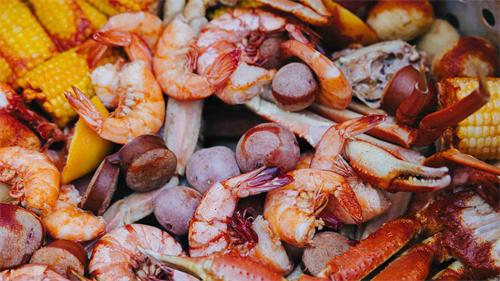
Jambalaya
The Cajuns—French-speaking Acadians expelled from Canada in the eighteenth century—found a new home in Louisiana’s bayous. They preserved French culinary sensibilities while learning from Native Americans, Africans, and Spanish settlers, creating a cuisine characterized by:
- Crawfish, crab, alligator, and freshwater fish
- Liberal use of spice blends (paprika, cayenne, oregano, thyme)
- Rustic stews, braises, and fried dishes
Cajun cuisine is a testament to cultural survival through food.
5) Beignets, Po’boys, and the Flavor of the Streets
New Orleans food culture extends beyond grand dishes:
- Beignets, dusted with powdered sugar, are the quintessential French-influenced pastry, best enjoyed with chicory coffee at Café du Monde.
- Po’boys, the city’s most iconic sandwich, reflect working-class creativity.
- Fried or grilled alligator highlights Louisiana’s unique ecology and culinary daring.
These foods express the city’s everyday identity—humble, bold, joyful, and inventive.
5. Culture You Can Taste: Festivals, Rituals, and Community Identity
In New Orleans, food is an active cultural force, not a museum relic. It is central to community life:
- Mardi Gras brings King Cake and street feasts.
- Red beans and rice remain a Monday tradition in many households.
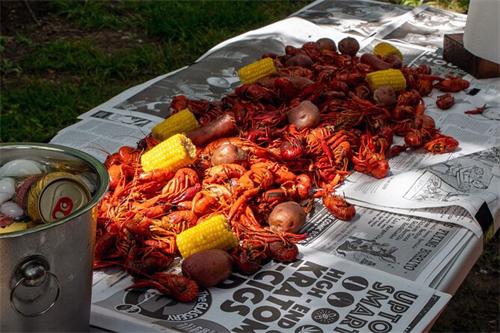
- Crawfish season—a springtime celebration—unites neighbors around heaping mounds of boiled crawfish.
- Café culture keeps beignets and coffee flowing day and night.
Cuisine here is inseparable from music, festivals, and the rhythm of daily life. It strengthens community bonds and passes heritage from generation to generation.
6. Conclusion: New Orleans as a Living Culinary Miracle
New Orleans cuisine is a story written in flavor—a story of displacement, adaptation, resilience, and creativity. It demonstrates that when cultures come into deep contact within a unique environment, the result is not dilution but rebirth.
French elegance, African ingenuity, Caribbean heat, and Louisiana’s land and waters combine to form a cuisine unlike any other in the world. New Orleans is not just a city of good food—it is a cultural wonderland, a living example of how new civilizations can emerge when people and traditions blend courageously and continuously.
References
- Smithsonian National Museum of American History – Food History Resources
- The Southern Foodways Alliance (University of Mississippi)
- Jessica B. Harris – High on the Hog: A Culinary Journey from Africa to America
- Lolis Elie & Poppy Tooker – New Orleans Cuisine: Fourteen Signature Dishes and Their Histories
- Sidney W. Mintz – Sweetness and Power (Caribbean food anthropology)
- Encyclopedia of Louisiana – Historical entries on Creole and Cajun culture
Recommend:
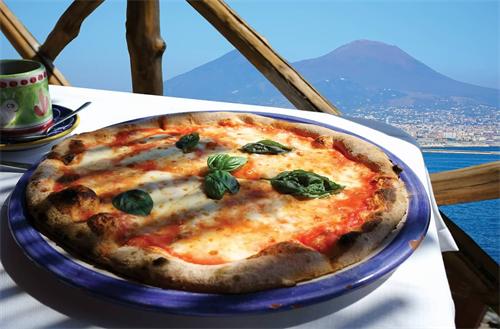
How Naples Preserved the Soul of Pizza Despite Global Reinvention
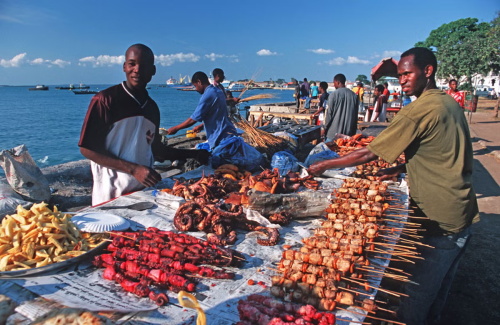
The Coastal Food Culture of Zanzibar: A Blend of African, Arab, and Indian Flavors
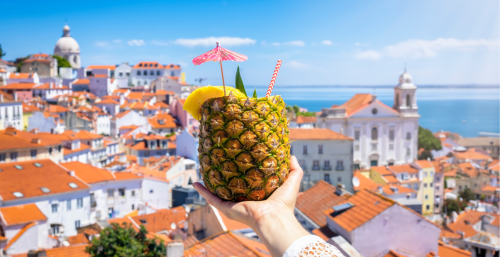
Why Lisbon’s Culinary Scene Is Being Reborn Through Portuguese Maritime History
How Colonial Trade Routes Still Shape Modern Taste Preferences