
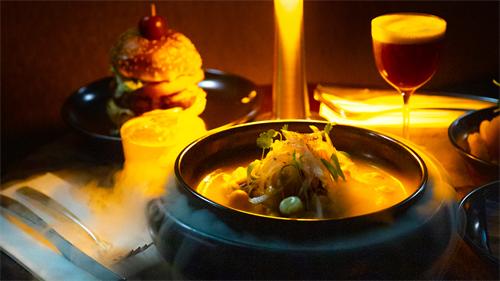
For decades, “fusion food” was a phrase that sparked strong reactions—excitement, snobbery, curiosity, or even outright contempt. In the 1980s and 90s, fusion cuisine became fashionable in global food capitals, from New York to Tokyo to Paris. But it also became notorious for being superficial: chefs combining random ingredients without cultural understanding, restaurants pushing gimmicky dishes for marketing buzz, and critics dismissing the trend as “confusion cuisine.”
Yet today, something fundamentally different is happening. In cities across the world—from Los Angeles and London to Bangkok, Seoul, and Mexico City—fusion cuisine is experiencing a profound evolution. It has entered what many food scholars call the era of “New Authenticity.” This shift reflects not only culinary creativity but also deeper cultural changes: migration, identity, global travel, digital food culture, and a new understanding of what “authentic” cuisine even means.
1. The Old Fusion vs. the New Fusion: What Changed?
In the past, fusion cuisine often meant high-end chefs “experimenting” with exotic ingredients in ways that flattened cultural nuance. East–West fusion became a stereotype: soy sauce and ginger added to French classics, or sushi rolls stuffed with Western ingredients.
This older form of fusion had three major flaws:
1) It was often top–down.
Western fine-dining chefs incorporated Asian or African flavors without deeply understanding their context. The power dynamic was clear: European cuisine set the standard; other cultures were “exotic enhancements.”
2) It was novelty-driven.
Dishes were designed to surprise rather than nourish. Truffle-oil dim sum, wasabi mashed potatoes, or teriyaki crème brûlée often existed purely for shock value.
3) It reduced cultures to flavors.
Complex culinary traditions—shaped by history, geography, rituals, and daily life—were treated as interchangeable building blocks.
But the world has changed dramatically since then. Global migration has increased, multicultural societies have matured, and diners have become more knowledgeable about food traditions. The internet—especially TikTok, YouTube, and Instagram—has democratized cooking techniques and regional cuisines. Travelers taste more, immigrants share more, and global food literacy is at an all-time high.
This shift created the space for a new generation of chefs who are not “borrowing” flavors—they live them. Their fusion food is not a trend; it is a lived identity.
2. The Rise of “Identity-Driven Cuisine”
Today’s most influential fusion cuisine is deeply personal. It emerges from chefs who grew up at cultural intersections:
- A Korean-American chef who ate kimchi jjigae at home but pizza at school
- A Mexican-Japanese chef raised between two culinary worlds
- A French-Vietnamese chef whose grandmother cooked traditional pho while her parents embraced Parisian pastry traditions
For these chefs, combining flavors is not an experiment—it is biographical truth.
Fusion is no longer “mixing cultures.” It is expressing identity.
Restaurants like these have become global sensations:
- David Chang’s Momofuku (U.S.) – Korean heritage meets American comfort food
- Pipacha (Thailand) – Thai-Chinese-Australian influences reflected in new forms
- Nixta Taqueria (Mexico/U.S.) – Ancient maize techniques combined with immigrant flavors
- Yardbird (Hong Kong/Miami) – American Southern food interpreted with global techniques
Chefs are no longer asking:
“How do I combine French + Japanese?”
Instead, they ask:
“How do I cook the food of my own life?”
This is the heart of New Authenticity: food that is authentic not to a nation or an origin myth, but to a person.
3. Authenticity Itself Has Evolved
For decades, “authentic food” was defined by purity: unchanging traditions, strict recipes, and “original” flavors.
But scholars and chefs began questioning this idea.
Anthropologists argue that:
- No cuisine is truly static.
- “Traditional dishes” often resulted from historical fusion—trade routes, migration, colonization.
- Tomatoes, chilies, potatoes, and peanuts were all foreign imports that became integral to national cuisines.
- Even the idea of “authentic” Asian or Mexican food emerged relatively recently, often through tourism and marketing.
In other words, authenticity was always a moving target.
Today’s diners—especially Millennials and Gen Z—understand this instinctively. They grew up in multicultural societies where foods blend naturally: döner kebab in Berlin, Japanese curry in Tokyo, bubble tea in London, K-town tacos in Los Angeles.
Authenticity now means:
- Context: Does the dish reflect real cultural experience, not stereotypes?
- Respect: Are ingredients and traditions acknowledged, not exploited?
- Story: Does the dish express the chef’s own culinary heritage?
- Technique: Does it demonstrate skill and intention, not randomness?
Fusion cuisine becomes “authentic” when it is rooted in genuine connection—not when it tries to impress with novelty.
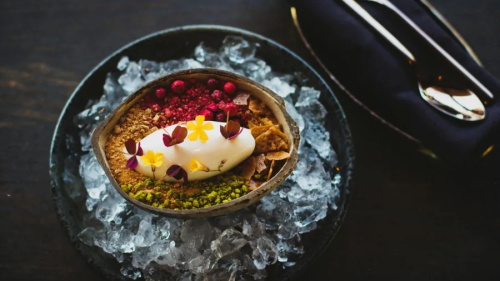
4. The Global Palate Has Become More Sophisticated
When fusion food first emerged in the West, many diners had limited exposure to global cuisines. Sushi, pho, and ramen were niche; Sichuan food was misunderstood; Thai cuisine was simplified to pad thai.
Today, the global palate is much more educated:
- Travelers explore regional food—Chiang Rai vs. Bangkok; Hokkaido vs. Kyushu; Oaxaca vs. Mexico City.
- Social media showcases not only dishes but cooking techniques, spice histories, and cultural narratives.
- Immigrant communities have brought authenticity to their cities, opening restaurants beyond stereotypes.
As a result, diners can now appreciate fusion cuisine with subtlety:
- They know what a traditional kimchi tastes like—so they respect its variation.
- They understand the cultural roots of mole, so they can appreciate mole-infused dishes in new contexts.
- They can tell when a dish is thoughtful vs. gimmicky.
Fusion is no longer a shortcut; it is a dialogue between traditions.
5. The Influence of “Third-Culture Kids” and Diaspora Communities
A major driver of New Authenticity is the rise of third-culture kids (TCKs)—people raised between multiple cultures. Their food memories are layered, complex, intimate.
A Japanese-Brazilian chef may mix miso with cassava not because it sounds trendy, but because that combination reflects family dinners.
A Nigerian-British chef may pair jollof rice with British Sunday roast elements because it represents their upbringing.
The diaspora experience naturally produces fusion. Dishes evolve not because chefs want to innovate but because traditions adapt to new landscapes:
- Immigrants use local ingredients to recreate home dishes.
- Families mix recipes across generations.
- Children blend their school lunch and home-cooked meals.
In diaspora kitchens, fusion is survival, adaptation, and inheritance.
This generation is now leading global culinary scenes, reshaping fusion cuisine from the inside out.
6. Technology and Social Media Have Accelerated Culinary Hybridization
We live in a hyper-connected world. A technique from Peru can reach a chef in Shanghai within hours. Viral food trends travel instantly.
Social platforms amplify fusion in three ways:
1. Inspiration
Chefs can study techniques from anywhere—fermentation practices, street food recipes, spice blends.
2. Education
Content creators share cultural histories, ingredient origins, and traditional cooking skills.
3. Democratization
No longer do only Michelin-star chefs define culinary innovation. Home cooks, immigrants, and street vendors contribute equally to global food culture.
This global exchange fosters respectful fusion: chefs now learn with cultures, not just from them.
7. Sustainability and Local Sourcing Are Shaping New Fusion
As climate concerns grow, many chefs pivot from importing exotic ingredients to using local, sustainable alternatives.
Instead of striving for international authenticity, they reinterpret traditional dishes using regional produce:
- Nordic miso made from local legumes
- Kimchi made with Scandinavian cabbage varieties
- Sichuan-style ferments using Mexican chilies
- Italian pasta sauces using local seaweeds or heritage grains
This is fusion grounded in ecological authenticity—honoring tradition while adapting to environmental realities.
Fusion becomes a tool for sustainability and terroir, not just creativity.
8. Fusion Cuisine as Cultural Dialogue and Social Healing
One of the most profound aspects of New Authenticity is its potential to build empathy.
Food becomes a way to:
- Challenge stereotypes
- Share interwoven histories
- Acknowledge colonial legacies
- Celebrate diasporic voices
- Create new cultural narratives
Restaurants serve as spaces where people experience blended identities. Eating becomes a form of learning—not academic, but sensory, emotional, and communal.
Fusion cuisine, in this era, is not escapism; it is a confrontation with the complexity of cultural identity.
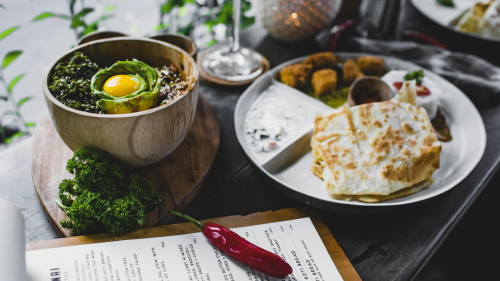
Conclusion: Fusion Is the Future of Authenticity
As the world becomes increasingly interconnected, rigid culinary boundaries become less relevant. People grow up eating across cultures; ingredients travel across continents; traditions evolve naturally.
Fusion cuisine—once mocked as gimmicky—has become one of the most honest expressions of global identity.
We are entering a moment where authenticity is defined not by purity, but by truthfulness:
- To personal experience
- To cultural context
- To technique and tradition
- To place and time
Fusion cuisine, in its new era, is not pretending to be traditional. It is proud to be complex, evolving, and hybrid.
And that may be the most authentic thing of all.
References
- Heldke, Lisa. Exotic Appetites: Ruminations of a Food Adventurer. Routledge, 2003.
- Counihan, Carole & Penny Van Esterik, eds. Food and Culture: A Reader. Routledge, 2018.
- Sifton, Sam. “In a Global Food World, the Lines Keep Blurring.” The New York Times, 2019.
- Mashama Bailey & John O. Morisano. Black, White, and The Grey. Ten Speed Press, 2021.
- The World’s 50 Best Restaurants – Annual Reports (2018–2024).
Recommend:
Why Yunnan’s Food Culture Is China’s Most Diverse—and How Ethnic Minorities Shaped It
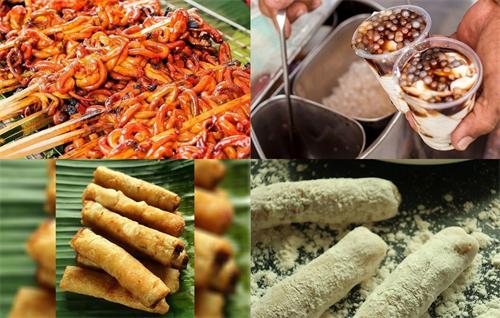
How Manila’s Food Culture Reveals Layers of Spanish, American, and Chinese Influence
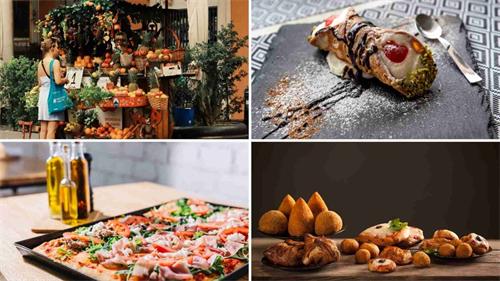
Why Sicily’s Food Culture Is Unlike the Rest of Italy: Arab, Greek, and Norman Influences
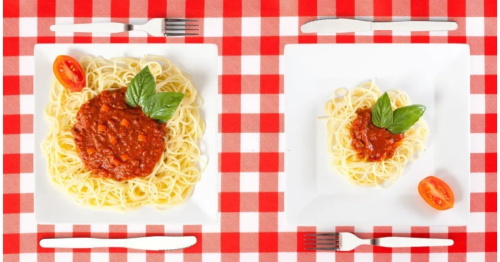
Why Some Cultures Emphasize Large Portions and Others Value Moderation