If China’s culinary landscape is a vast mosaic, then Yunnan is unquestionably its most colorful and intricate tile. Unlike established culinary traditions such as Sichuan, Cantonese, or Shandong cuisines—each defined by a relatively unified flavor system—Yunnan’s food culture is a multilayered fusion shaped by geography, climate, and ethnic diversity. Scholars often describe it as “China’s culinary mosaic,” a place where flavors, ingredients, and traditions collide and interweave.
This extraordinary diversity is not accidental. It emerged from the convergence of geographic isolation, historical trade routes, and the coexistence of 25 ethnic minority groups. These minorities are not merely contributors to the region’s cuisine; they are its architects, curators, and storytellers. Their ecological wisdom, resource use, and cultural philosophy form the backbone of what makes Yunnan’s food culture one of the richest and most complex in China.
I. How Geography Built the Natural Foundation of Yunnan Cuisine
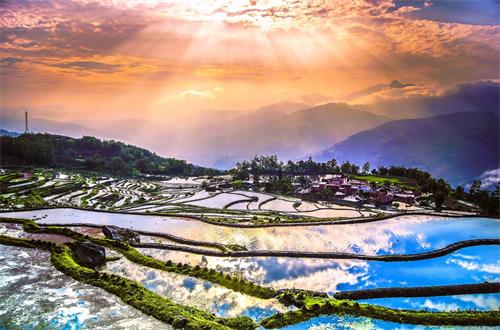
The first layer of Yunnan’s culinary diversity comes from its exceptional natural conditions. Few places in the world pack such dramatic shifts in climate, terrain, and biodiversity into such a compact region. Yunnan’s landscape ranges from snow-capped mountains to deep river valleys and tropical rainforests. Its elevation can leap from 76 meters in river basins to 6,740 meters at the summit of Meili Snow Mountain. As locals vividly summarize it: “One mountain holds four seasons; weather shifts every ten miles.”
A vertical climate that produces unmatched biodiversity
This extreme altitudinal variation creates a vertical ecosystem where tropical fruits, temperate vegetables, and high-altitude crops all grow within the same province. Highland pastures support yak and goat herding. The humid climate, dense forests, and fertile soil also make Yunnan one of the world’s most biodiverse regions. The most famous example is its treasure trove of wild mushrooms—over 250 edible species, including matsutake, termite mushrooms, porcini, and more. No other region in China comes close to this natural abundance.
Three geographic food zones
Based on these natural conditions, Yunnan’s food culture is broadly divided into three regional systems:
1. High-altitude Northwest Yunnan
Home to Tibetan, Lisu, and other mountain communities. The cuisine emphasizes high-calorie, high-fat foods to combat cold climates—barley, butter tea, dried yak meat, and rich stews dominate.
2. Mid-altitude Central Yunnan
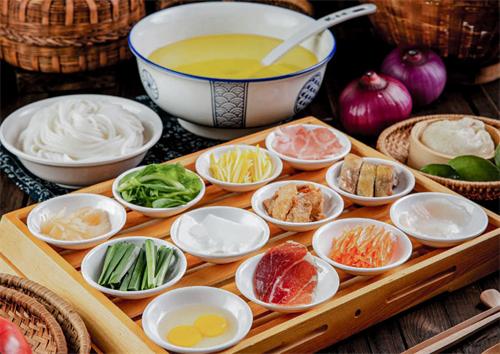
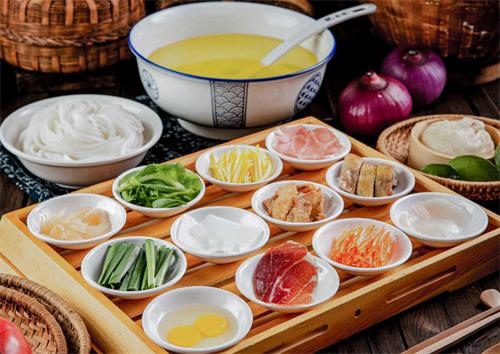
Where the Han, Bai, and Yi communities live. Rice, corn, and livestock are plentiful, producing refined dishes such as *Crossing-the-Bridge Rice Noodles- and *Steamed Chicken in Clay Pot- (qiguoji), often infused with medicinal herbs like *tianma- and *sanqi*.
3. Low-altitude Southern Yunnan
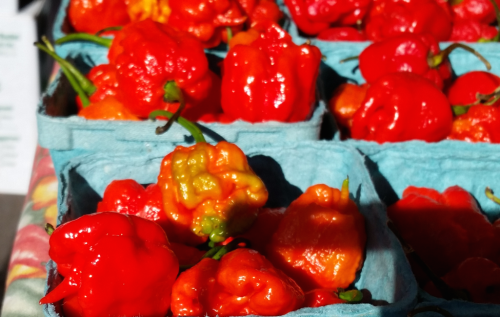
Home to Dai, Bulang, and other tropical people. The climate favors sour, spicy, and refreshing foods—lemongrass, lime, coriander, and bird’s-eye chili shape the region’s vibrant flavors.
In this landscape of mountains and rivers, each ethnic group developed unique culinary systems adapted to its environment. Together, they form the ecological foundation of Yunnan’s culinary identity.
II. Tea-Horse Road and Multiethnic Coexistence: How History Encouraged Flavor Exchange
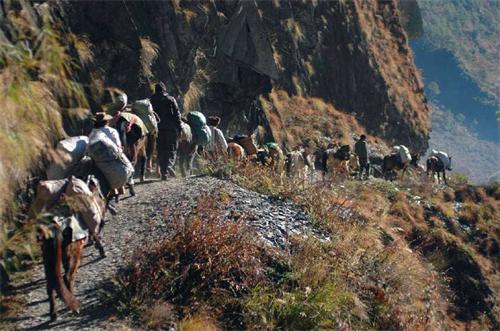
If geography created the stage, then history filled it with actors. For centuries, ethnic migrations, cultural exchanges, and trade routes turned Yunnan into a crossroads of civilizations. The most influential among them was the Tea-Horse Road, an ancient route traversing Tibet, Sichuan, Yunnan, and stretching toward Southeast Asia and South Asia.
A moving corridor of ingredients and ideas
The Tea-Horse Road transported not only tea, horses, salt, and medicinal herbs but also culinary concepts:
- Tibetan butter and tea merged into the iconic drink butter tea.
- Southeast Asian aromatics—lemongrass, galangal, chili—flowed into Yunnan’s tropical south.
- Han migrants brought advanced metallurgy and cooking techniques.
- Muslim merchants introduced new forms of roasting, stewing, and spice usage.
The evolution of cooking techniques
From ancient times through the Yuan and Ming dynasties, waves of Han, Mongol, Hui, and Manchu migrants settled in Yunnan. They introduced metal cookware and refined cooking skills, transforming local culinary practices. Yunnan’s cooking timeline evolved from:
- no-pot fire cooking,
- to stone cooking,
- to clay steaming,
- and eventually to bronze, iron, and modern heat sources.
Yet traditional methods—bamboo tube grilling, banana-leaf wrapping, stone-plate searing, firepit roasting—persisted. They remained because they harmonized with local ingredients and preserved flavor purity. Far from being “primitive,” these methods embody a natural beauty and simplicity that modern techniques often cannot replicate.
Thus, Yunnan’s culinary history is not a linear progression but a multiethnic fusion—an ever-evolving tapestry woven from migration, adaptation, and creativity.
III. How Ethnic Minorities Shaped Yunnan’s Flavor Map: From Ingredients to Philosophy
What truly distinguishes Yunnan cuisine is the way each ethnic group inscribed its worldview, ecological knowledge, and daily practices onto its foodways. Below are five representative examples.
1. Dai Cuisine: Rainforest Freshness, Aromatics, and the Art of Raw and Sour
In Southern Yunnan’s tropical forests, the Dai people developed a culinary style that is bright, fragrant, and refreshing—almost like tasting the rainforest itself.
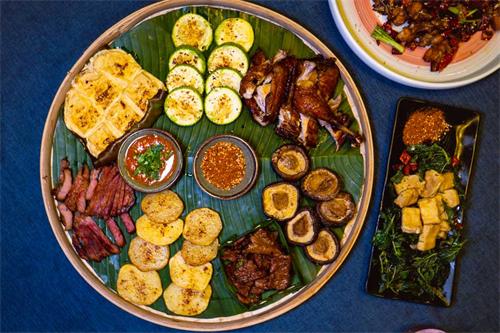
Dai Cuisine
Key features include:
- Heavy use of lemongrass, lime, coriander, and bird’s-eye chili
- Preference for raw or lightly cooked dishes to preserve freshness
- The famous “nam mi” dipping sauces, which vary endlessly and reflect an adaptable flavor philosophy
- Cooking in bamboo tubes or wrapped in banana leaves, allowing ingredients to absorb plant aromas
Signature dishes such as lemongrass-grilled fish, pineapple sticky rice, and lime-shredded chicken burst with citrusy brightness and straightforward yet vivid seasoning. Dai cuisine expresses an energetic tropical worldview—fresh, alive, and deeply connected to nature.
2. Tibetan Cuisine in Northwest Yunnan: High-Altitude Nutrition and Survival Logic
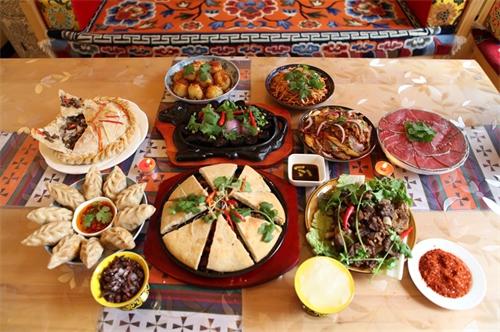
Tibetan Cuisine in Northwest Yunnan
On the wind-swept highlands of northwest Yunnan, the Tibetan diet revolves around survival in a harsh environment. Food here is functional, hearty, and energy-dense:
- tsampa (roasted barley flour) offers portability and sustenance
- butter tea provides fat, salt, and warmth
- dried yak and goat meat stores well against long winters
- yak hotpot delivers protein and heat in generous quantities
- thick yogurt supplies nutrients lacking in the alpine climate
Every dish reflects highland resilience—a cuisine built not for indulgence but for endurance.
3. Bai Cuisine: Fermentation, Freshness, and Artistry from the Erhai Basin
The fertile plains around Erhai Lake allowed the Bai people to develop a sophisticated culinary system blending farming, fishing, and artisanal fermentation.
Highlights include:
- “raw skin” (lightly roasted pork served with plum-vinegar dipping sauce), demonstrating confidence in freshness
- milk fan (a unique dairy product shaped into delicate sheets)
- A mastery of fruit-based fermentation, using green plums, papaya, etc., to add depth and acidity
- Classic dishes like sour-spicy lake fish, showcasing layered sourness and bold but precise seasoning
Bai cuisine is balanced, elegant, and inventive—a quiet yet daring expression of agricultural abundance.
4. Yi Cuisine: Firepit Culture and the Boldness of Mountain Life
In the mountains of central and northeastern Yunnan, the Yi people place the firepit (huotang) at the center of home and community. It shapes a cuisine that is robust, communal, and unrestrained:
- large chunks of roasted or boiled meat, seasoned simply with salt and chili
- buckwheat pancakes, with subtle bitterness and grainy sweetness
- mutton hotpot, fiery and rich, perfect for expelling mountain dampness
- food shared around the fire, enhancing social warmth and solidarity
Yi cuisine embodies the ruggedness and warmth of mountain culture.
5. Hani Cuisine: Ecological Interaction and the Philosophy of Personalized Flavor
The Hani people, who live among the terraced fields of the Ailao Mountains, developed a highly interactive and ritualized food culture.
Its core is the Hani dipping sauces—often a dozen or more in a single meal—made from herbs, spices, fermented beans, and aromatic pastes. Diners customize their own flavors, turning shared ingredients into individualized taste experiences.
This system expresses:
- respect for individual preference
- intelligent use of fermentation
- harmony between ecological resources and culinary creativity
- ritual significance, especially during the iconic Long Street Banquet, where hundreds eat together as a symbol of community unity
Hani cuisine is as much a social philosophy as it is a food tradition.
IV. The Soul of Yunnan Cuisine: Dipping Sauces, Raw Freshness, Fermentation, and Festivals
Despite enormous regional and ethnic variety, several shared principles define Yunnan’s culinary identity.
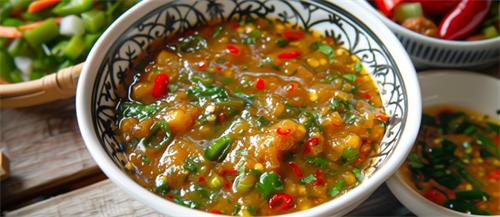
Dipping Sauces
1. The Universality of Dipping Sauces
Whether Dai nam mi, Bai plum vinegar sauce, or Hani herb sauces, dipping condiments solve a fundamental problem in multiethnic communities: how to feed people with radically different flavor preferences.
Basic cooking can remain unified, while final flavoring becomes individualized—a perfect metaphor for cultural coexistence.
2. A Deep Appreciation of Raw and Lightly Cooked Foods
Raw pork, lightly roasted meats, pickled fish, or fresh shredded fruits reflect trust in natural ingredients and mastery in handling freshness. Where other regions value heavy seasoning, Yunnan values immediacy and purity.
3. Fermentation as a Shared Cultural Language
The humid climate makes fermentation both practical and flavorful. Pickled vegetables, fermented beans, preserved tofu, sour bamboo, and countless local variants enrich taste and preserve food.
4. Food as Ritual: Festivals and Community Bonds
Fire Torch Festival, New Rice Festival, and Hani Long Street Banquets all elevate food beyond nourishment. They preserve history, express beliefs, and strengthen social bonds.
Conclusion: Why Yunnan’s Cuisine Is Truly One of a Kind
Yunnan’s extraordinary food culture emerges from the interplay of its geography, biodiversity, historical routes, and—most importantly—the wisdom of its many ethnic groups. Each culinary system is a response to specific ecological challenges and cultural understandings. Together, they form the most vibrant and multilayered culinary tapestry in China.
The beauty of Yunnan cuisine lies not only in its flavors but also in its worldview:
food as ecology, food as identity, food as coexistence.
Sources
- Chang, K. C. (Ed.). Food in Chinese Culture: Anthropological and Historical Perspectives. Yale University Press.
- Harrell, S. Cultural Encounters on China’s Ethnic Frontiers. University of Washington Press.
- Official publications from the Yunnan Provincial Department of Culture and Tourism (for regional foodways, festivals, and ethnic culinary traditions).
- Scholarly articles from Asian Ethnology, Journal of Chinese Dietary Culture, and Modern Asian Studies on Southwest China’s ethnic minorities and food culture.
Recommend:
The Cultural History of Bread: From Sacred Symbol to Everyday Staple
Why Lisbon’s Culinary Scene Is Being Reborn Through Portuguese Maritime History
Cultural Appropriation in Cuisine: When Does Inspiration Become Insensitive?
Why Yunnan’s Food Culture Is China’s Most Diverse—and How Ethnic Minorities Shaped It