When Portuguese sailors set off toward the unknown during the fifteenth and sixteenth centuries, the treasures they brought back were far more profound than gold, maps, or new territories. They returned with spices, crops, culinary ideas, and techniques that would redefine the nation’s palate for centuries. Lisbon, the nerve center of the Age of Discovery, became one of the earliest global crossroads of flavor. As the city rises again as one of Europe’s most dynamic food capitals, it becomes increasingly clear that Lisbon’s gastronomic brilliance does not come from reviving a frozen golden age. Instead, it flows from reigniting a deep, inherent maritime DNA—one built upon openness, fusion, and ceaseless creativity.
I. The Age of Discovery: The Origins of a Culinary Awakening
Before the great voyages, Portuguese cuisine was humble. Meals were shaped by olive oil, wine, bread, salted fish, and a handful of local herbs. The turning point came when Portuguese ships reached Africa, Asia, and the Americas, pulling Portugal into the center of a global exchange of ingredients and techniques that permanently reshaped the national table.
1. A Flood of Global Ingredients
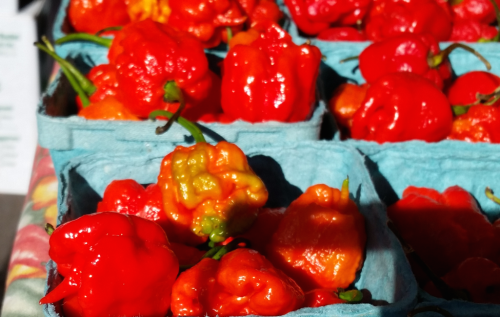
From the newly encountered lands of the Americas came chili peppers, tomatoes, potatoes, corn, beans, squash, pineapple, and cocoa. These foods transformed not only Portuguese cuisine but the entire European diet. Without tomatoes, Portuguese seafood rice would lose its signature aroma and color; without chilies, the irresistible heat of piri-piri chicken could not exist.
Simultaneously, ships returning from Asia and Africa carried black pepper, cinnamon, cloves, nutmeg, saffron, ginger, and curry powders—goods once more precious than silver. These spices lit up aristocratic tables with exotic luxury, but they also seeped into everyday kitchens, giving Portuguese cooking its warm and layered flavor profile.
2. Preservation Techniques Forged by Survival at Sea
Long ocean voyages demanded foods that could survive months aboard ship. This necessity led to Portugal’s mastery of salting, curing, and drying techniques, the most iconic of which is salt cod—bacalhau. Once vital for sailors’ survival, bacalhau eventually evolved into the backbone of the national cuisine, spawning hundreds of recipes. Today, it remains the quintessential symbol of Portugal’s maritime heritage.
3. Culinary Innovation Through Cultural Exchange
Portugal’s vast maritime network—from Brazil to Angola, Mozambique, Goa, Malacca, and beyond—enabled a constant flow of ideas. Brazilian sugarcane became the foundation of Port wine. African palm oil and preserved fish techniques blended into Portuguese home cooking. Indian chilies and spices transformed local perceptions of heat and aroma. In many ways, Portugal developed one of Europe’s earliest “globalized cuisines,” centuries before the term existed.
II. Cross-Continental Fusion: The Distinctive Character of Lisbon’s Table
The ingredients brought back during the Age of Discovery collided with Portugal’s local culinary foundations—olive oil, garlic, wine, seafood, herbs—forming a unique, built-in fusion tradition. This historical layering of flavors continues to shape Lisbon’s contemporary identity.
1. Seafood: A Lifelong Dialogue with the Ocean
With 832 kilometers of coastline, seafood lies at the heart of Portuguese life, and Lisbon’s dishes reflect this intimate relationship with the Atlantic.
Portuguese Seafood Rice (Arroz de Marisco)
Unlike Spain’s drier paella, Portugal’s version is brothy and rich. Rice absorbs the sweetness of shrimp, clams, mussels, and squid, simmered with tomatoes, onions, garlic, and white wine. The result is a deeply comforting and aromatic dish.
Grilled Sardines (Sardinhas Assadas)
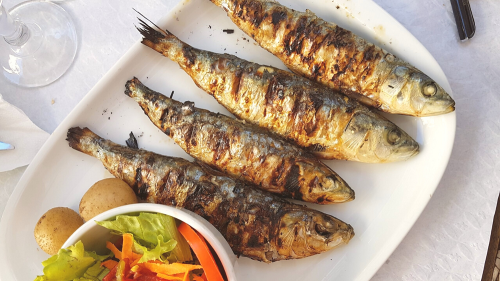
Grilled Sardines
Every June during the Feast of St. Anthony, Lisbon’s streets fill with smoke as fresh sardines are grilled over charcoal. Skewered, salted, charred, and splashed with lemon, the dish showcases the Portuguese devotion to seafood in its most honest form—simple, rustic, and full of ocean flavor.
2. Stews and Meat Dishes: A Map of Global Migration
Cozido à Portuguesa, the iconic Portuguese boiled dinner, brings together pork, smoked sausages, cabbage, beans, carrots, potatoes, and other vegetables. Though humble in appearance, it is a microcosm of Portuguese history: pork introduced millennia ago by ancient Mediterranean traders, root vegetables and beans imported from the New World, and a flavor structure shaped by Asian spices.
Salt cod, too, continues its global journey. Modern chefs often pair bacalhau with Moroccan harissa or Indian curry, resulting in dishes like “Goan-style cod” or “spiced baked cod”—proof that Lisbon’s kitchen still celebrates the exploratory spirit of its past.
III. Pastéis de Nata: The Sweetest Expression of the Maritime Age
No story about Portuguese cuisine is complete without the iconic pastel de nata, whose origins reveal the deep entanglement of Portuguese food and imperial history.
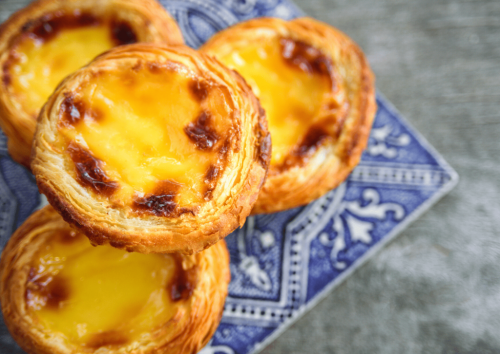
Pastéis de Nata
The custard tart traces back to the Jerónimos Monastery in Lisbon, where monks used egg whites to starch clothes and turned the leftover yolks into pastries. Yet one question stands out: Why are Portuguese desserts so sweet?
The answer lies in Brazil.
Vast sugar plantations in Portuguese-controlled territories made sugar both abundant and affordable. Without this colonial sugar boom, the pastel de nata’s signature caramelized sweetness would never have flourished.
Even its dusting of cinnamon is a maritime souvenir—imported from Sri Lanka and India by Portuguese sailors.
When monasteries were dissolved in 1834, the recipe passed to a Lisbon sugar refinery in Belém. From there, it traveled through Portugal’s colonial and migration networks to Macau, Goa, Brazil, and beyond. Each region adapted the tart, giving rise to local interpretations such as Macau’s blistered, caramelized version.
In this sense, the pastel de nata is not just a dessert—it is an edible map of Portugal’s colonial voyages.
IV. Contemporary Lisbon: Where History and Innovation Intertwine
Lisbon’s status as a modern food capital is rooted in its unique ability to honor tradition while reinventing it. The city’s chefs, home cooks, and restaurants are rediscovering their maritime heritage with renewed curiosity.
1. Returning to Origins: Reviving Forgotten Ingredients
Many young chefs dig into old manuscripts, monastery records, and family notebooks to bring back nearly vanished local ingredients—ancient beans, heirloom greens, obscure root vegetables, or long-forgotten spices once popular in the Age of Discovery. With refined modern techniques, these ingredients reappear on the table with elegance and purpose.
2. Localism Meets Global DNA
Contemporary Lisbon has embraced the European bistronomy movement, emphasizing fresh, local, and seasonal produce. Yet beneath the modern plating lies a deep current of historical flavor—chilies, spices, salted cod, and citrus. These elements are not culinary decorations but essential components of Portugal’s centuries-old identity.
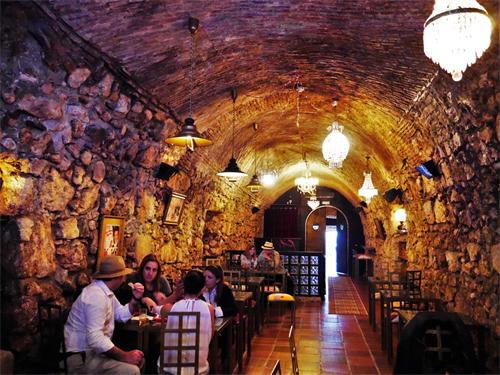
Traditional tascas and cervejarias
Traditional tascas (taverns) and cervejarias (beer houses) continue to flourish as well, serving simple but soulful dishes that preserve the heartbeat of everyday Portuguese cooking. Tourists may flock to them for authenticity, but locals keep them alive for comfort and continuity.
Conclusion: Maritime Spirit—The Eternal Soul of Lisbon’s Cuisine
Lisbon’s culinary revival is not about reconstructing a static historical moment. It is about rediscovering an ancient instinct—a spirit of curiosity, openness, and experimentation born from the Age of Discovery.
Portuguese cuisine was never isolated. From its earliest development, it thrived on the exchange of ideas, ingredients, and techniques across continents. Today, Lisbon harnesses this genetic heritage to create a dining culture that is both deeply rooted and globally informed.
True culinary tradition is not a ritual of preservation; it is a living river—flowing from the past toward the future, constantly reshaped by new experiences yet nourished by history.
Lisbon, with its maritime soul and global imagination, continues to let this river run wide and bright across the world’s culinary map.
References
- Caldeira, Arlindo Manuel. The Spice Trade in Early Modern Portugal.
- Miller, Peter. A Cultural History of Food in the Early Modern Age.
- Lloyd, Christopher. Food and Society in Early Modern Europe.
- Mosteiro dos Jerónimos Archives – Primary sources on monastic pastry traditions and the early origins of the pastéis de nata.
- Food & Foodways. Culinary Creolization in the Portuguese Atlantic.
Recommend:
Why Teppanyaki, Hibachi, and Korean BBQ Reflect Very Different Food Philosophies
Why Yunnan’s Food Culture Is China’s Most Diverse—and How Ethnic Minorities Shaped It
The Coastal Food Culture of Zanzibar: A Blend of African, Arab, and Indian Flavors
Asia’s Communal Dining vs. Europe’s Individual Plates: What This Divide Reveals About Social Values