Spiciness is more than a flavor. It is an emotional experience, a cultural symbol, a biological strategy, and sometimes even a test of courage. Around the world, attitudes toward chili heat vary dramatically. Some societies build entire culinary identities around intense, fiery food, while others shy away from chili altogether and prize balance, subtlety, or the purity of ingredients.
Understanding why these differences emerged requires tracing a journey that spans ecology, biology, global trade routes, and centuries of cultural evolution. Surprisingly, the story of chili peppers is a relatively recent one—yet it reshaped the culinary landscape of large parts of the world in less than 500 years.
A New World Fruit That Conquered the Planet
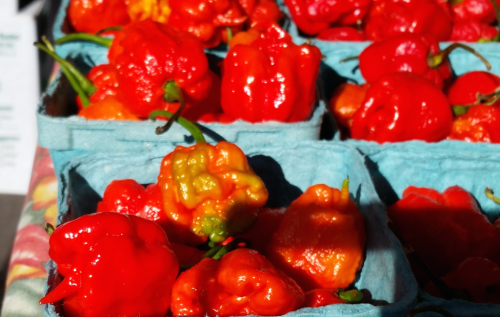
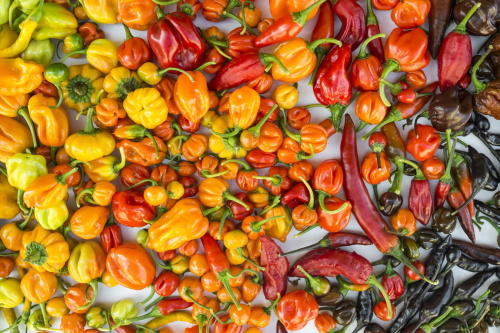
Chili peppers originated exclusively in the Americas. Before the late 15th century, no pepper—mild or hot—existed in Asia, Africa, or Europe. The global spread began after Christopher Columbus’ first voyage across the Atlantic, during what historians call the “Columbian Exchange.” This massive flow of plants, animals, ideas, and diseases also introduced chili peppers to the Old World.
The pepper’s rapid acceptance in many regions was extraordinary. Within a few generations, entire cuisines—Thai, Sichuan, Korean, Goan, Sri Lankan—transformed around a crop they had never known before. This speed reveals a crucial truth: chili peppers thrived in environments where they provided clear advantages, whether ecological, culinary, or even social.
Why Chilies Evolved Heat: A Battle Against Mammals
Chilies did not become spicy for human enjoyment. Their fiery sting evolved as a defense mechanism. Mammals, when eating fruits, tend to chew and destroy seeds, making reproduction impossible. To deter them, chili plants developed capsaicin, a chemical that triggers pain receptors in mammals and sends a burning sensation to the brain.
Birds, however, cannot feel this heat. Their version of the TRPV1 pain receptor simply does not respond to capsaicin. This means birds can eat chilies effortlessly, dispersing seeds far and wide. In evolutionary terms, chilies wanted birds, not mammals, to do their work.
Humans, oddly enough, learned to love the pain nature designed to repel them.
The Pleasure of Pain: Why Humans Desire Spiciness
“Spicy” is not a taste—it is pain. Capsaicin activates heat-sensitive nerve fibers, tricking the brain into thinking the mouth is burning. Yet this controlled pain triggers a wave of biochemical rewards. The body releases endorphins, natural pain relievers, and dopamine, a neurotransmitter linked to pleasure and excitement.
This biological response is why many people experience spicy food as exhilarating, even addictive. For some, it becomes a kind of ritualized self-challenge, similar to riding a roller coaster: an intense sensation followed by a euphoric release.
Communities that adopt chili often build cultural meaning around this “joyful pain,” transforming heat into a symbol of toughness, vitality, and identity. Over time, dishes get hotter, competition becomes a local pride, and chili heat embeds itself in the region’s collective self-image—think Sichuan’s “ma la” bravado, Korea’s bold kimchi culture, or Mexico’s centuries-old reverence for chili.
Heat as a Survival Tool: Why Hot Climates Often Embrace Spicy Food
While biology explains why humans can enjoy chili, climate explains why many need it. In hot and humid regions—India, Southeast Asia, southwestern China, parts of Africa—food spoils quickly. Before refrigeration, spices with antimicrobial properties were crucial. Chilies, along with garlic, ginger, and pepper, naturally inhibit bacteria and help preserve ingredients.
Heat also stimulates appetite in climates where humidity suppresses hunger. Spicy food increases saliva and gastric secretions, overcoming the lethargy of tropical heat. And paradoxically, eating chili cools the body through sweating—an important evaporative response in hot environments.
In places where resources were historically limited, chili became a culinary equalizer. It could elevate simple grains, roots, or less fresh meats into flavorful meals, masking imperfections and stretching limited supplies.
Flavor as Identity: How Cultures Use Spiciness to Express Themselves
Once introduced, chili peppers rarely stayed “foreign.” Every society that embraced them melded chili with existing traditions, creating new symbolic meanings:
- Thai heat is bright, fragrant, and layered, blending with lemongrass, lime, and herbs—reflecting a cultural preference for energy and aromatic complexity.
- Korean heat is deep, fermented, and enduring, resonating with cultural themes of resilience, patience, and intensity (“han”).
- Sichuan heat blends chili burn with the numbing electricity of local peppercorns—the famous má là—a uniquely Chinese fusion of old and new.
Here, chili becomes more than a spice; it becomes a cultural statement.
Why Some Societies Avoid Spicy Food
Not every region found chili equally compelling. In temperate, resource-rich parts of Europe or East Asia—France, northern Italy, Germany, much of Japan—food spoiled less quickly, and ingredients were abundant. These cuisines evolved around highlighting natural flavors rather than masking them. Butter, cream, seafood, and fresh produce formed delicate systems of taste balance. Chili, with its dominant heat, risked overpowering their existing aesthetic traditions.
Japan, for instance, gained access to chilies around the same time China did. But with abundant seafood, refined umami-based cooking, and established fermentation techniques, there was little ecological or culinary pressure to adopt chilies as a core ingredient. They remained peripheral—used sparingly in condiments like shichimi togarashi.
Similarly, northern Europe relied on smoking, salting, and fermenting foods to survive the winter. These preservation systems never created a niche for chili to become essential. Instead, spices like black pepper, mustard, or horseradish remained the dominant forms of pungency.
History, Trade Routes, and the Randomness of Adoption
Chili spread unevenly along Portuguese and Spanish trade networks: from Brazil to West Africa, to India, then to Southeast Asia. Regions connected to these routes adopted chilies early. Others, even if climatically suitable, did not integrate them deeply due to timing, existing flavor traditions, or simple chance.
For example:
- Thailand, though never colonized, encountered chilies through regional commerce and embraced them enthusiastically.
- North African cuisines—Moroccan, Tunisian, Algerian—use spices heavily, yet chilies never became central. Their flavor foundations were already well established through Arab, Berber, and Mediterranean influences: cumin, ginger, saffron, cinnamon, preserved lemon, olives. Chili entered late and never displaced older structures.
Cold regions also show intriguing contrasts.
Korea, northeastern China, and the borderlands of Siberia experience harsh winters. Yet only Korea built a chili-centered cuisine. Why? Because chili arrived when fermented vegetable preservation—kimchi—was a vital survival strategy. Chili powder fit perfectly into this system, enhancing flavor and extending storage.
Northern Europe had its own preservation techniques—salting, smoking, pickling—but chili offered no clear functional advantage and therefore never became culturally significant.
These differences illustrate that climate alone does not determine spice preference. Cultural readiness, existing culinary logic, and sheer historical accident play equally important roles.
Chili as Cultural Reinvention
Every society that adopted chili rewrote part of its culinary identity:
- Mexico integrated chili into a sacred tradition thousands of years old, making it a national emblem of flavor and spirituality.
- Hungary transformed chili into sweet paprika—mild, aromatic, suited to rich stews—adapting the pepper to local tastes rather than embracing its heat.
- Sichuan merged chili with the ancient tradition of Sichuan peppercorn, producing a sensory profile found nowhere else in the world.
These adaptations show that chili is not simply added to a cuisine—it becomes reinterpreted, absorbed, and remolded.
Conclusion: The Beauty of Human Diversity in Taste
The world’s spiciest food cultures are not those that received chilies first, but those that managed to turn an evolutionary “weapon of pain” into a symbol of joy, resilience, community, and pleasure. Chili heat became a cultural language through which societies expressed identity and adapted to their environment.
Meanwhile, cultures that remained mild did not fail to evolve. They cultivated equally intricate flavor systems based on balance, subtlety, or the purity of ingredients. Their resistance to chili reflects a different but equally sophisticated culinary philosophy.
Ultimately, the global spectrum of spice tolerance is a testament to human adaptability and creativity. In every region, the way people respond to heat—seeking it, avoiding it, celebrating it, or reinventing it—reveals something profound about how humans live, survive, and find meaning in the everyday act of eating.
References
- Nunn, N., & Qian, N. (2010). The Columbian Exchange: A History of Disease, Food, and Ideas. Journal of Economic Perspectives, 24, 163-188.
- Tewksbury, J. J., Reagan, K. M., Machnicki, N. J., Carlo, T. A., Haak, D. C., Pealoza, A. L. C., & Levey, D. J. (2008). Evolutionary ecology of pungency in wild chilies. Proceedings of the National Academy of Sciences, 105(33), 11808-11811.
- Byrnes, N. K., & Hayes, J. E. (2013). Personality factors predict spicy food liking and intake. Food quality and preference, 28, 213–221.
- Earle, Rebecca, ed. The Body of the Conquistador: Food, Race and the Colonial Experience in Spanish America, 1492–1700. Cambridge University Press, 2012.
- Rozin, Paul & Schiller, Dana. “The Nature and Acquisition of a Preference for Chili Pepper by Humans.” Motivation and Emotion, vol. 4, no. 1, 1980, pp. 77–101.
- Prescott, John. Taste Matters: Why We Like the Foods We Do. Reaktion Books, 2012.
Recommend:
Why Fusion Cuisine Has Entered Its “New Authenticity” Era
Rice, Wheat, and Maize Civilizations: How Staple Foods Shape Culture

Cultural Appropriation in Cuisine: When Does Inspiration Become Insensitive?
Why Lima Has Become the World’s Culinary Capital—And What Peruvian Culture Has to Do With It