Humans perceive five core taste sensations, and bitterness is among the most distinctive. Unlike sweetness or saltiness, which humans generally enjoy from birth, bitterness is more complex. From a biological standpoint, humans are naturally cautious of bitter flavors because many toxic plants are bitter. However, cultural evolution, culinary traditions, and social norms have significantly influenced how different societies perceive and appreciate bitterness. Across the globe, some populations embrace bitter flavors as a sophisticated element of cuisine, while others find them challenging or even unpleasant.
The Biology of Bitterness
To understand cultural differences, it’s important to briefly consider the biology of taste. Humans have taste receptors on the tongue called TAS2Rs, which detect bitter compounds. Interestingly, genetic variations in these receptors mean that some people are "supertasters," experiencing intense bitterness even from small amounts of certain compounds, while others have a higher tolerance. This biological variability partially explains why some individuals enjoy bitter foods like coffee or kale, whereas others avoid them entirely.
However, biology is only part of the story. Culture, exposure, and culinary techniques can train the palate to appreciate bitterness. In many societies, repeated exposure to bitter foods is associated with sophistication, health, or ritual, turning an initially aversive taste into a cherished one.
Europe: Bitterness as a Marker of Tradition and Sophistication
In much of Europe, bitterness is not only accepted but celebrated, often associated with beverages, vegetables, and even desserts.
Italy and the Art of Bitter Aperitifs

Aperol
Italy is renowned for its aperitivo culture, a pre-dinner ritual that often features bitter liqueurs such as Campari, Aperol, and Fernet-Branca. These drinks are intentionally bitter, stimulating appetite and creating a complex taste experience. Historically, Italian aperitifs evolved from herbal remedies. Monks and pharmacists created bitter infusions with herbs, roots, and spices, believing in their health benefits. Over time, these bitter concoctions transitioned from medicinal to social contexts. Today, sipping a bitter aperitif is as much about cultural identity as taste—an appreciation for balance, ritual, and sophistication.
Northern Europe and Bitter Beer Traditions
In Northern Europe, particularly in Germany, Belgium, and the United Kingdom, bitterness is central to beer culture. The use of hops in beer, originally intended as a preservative, imparts a pronounced bitterness. Belgian Trappist ales and German IPAs (India Pale Ales) showcase a refined balance of bitter, sweet, and aromatic notes. In these countries, bitter flavors are often associated with social gatherings, craftsmanship, and a discerning palate. Bitterness signals complexity and authenticity in brewing traditions that have been refined over centuries.
Scandinavia and Dark Greens
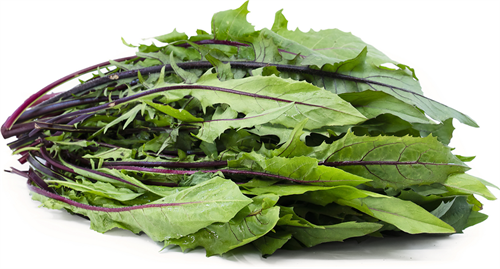
Red Dandelions
Scandinavian cuisine also embraces bitter flavors in vegetables like kale, dandelion greens, and elderberry. Historically, northern climates limited access to sweet fruits and vegetables, making bitter greens a staple of survival diets. Today, these foods are not only traditional but considered nutritious, reinforcing the association between bitterness and health.
Asia: Bitterness as Health and Balance
In many Asian cultures, bitterness is closely tied to medicine, health, and harmony. Traditional culinary and medicinal practices often integrate bitter ingredients to balance the body's internal energies.
China: Bitterness in Traditional Medicine
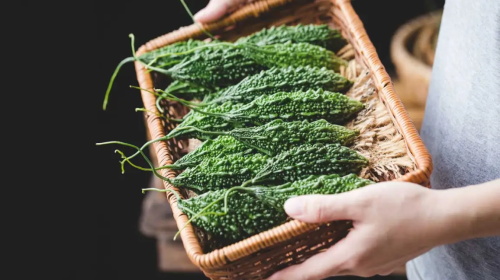
In Chinese cuisine, bitter ingredients are often used intentionally to promote health. Foods like bitter melon (苦瓜, kǔguā), chrysanthemum tea, and certain herbal soups are valued for their cooling properties and supposed detoxifying effects. Traditional Chinese Medicine (TCM) considers taste an indicator of function: bitterness corresponds to the heart and lungs, helping regulate internal balance. Young children may initially reject bitter flavors, but cultural practices gradually introduce them, reinforcing a belief that bitterness is beneficial for health and maturity.
Japan: Bitterness as Subtlety and Refinement
Japanese cuisine also values bitter flavors, though often in a subtle and refined manner. Ingredients such as matcha (green tea powder), gobo (burdock root), and shiso leaves introduce bitterness to balance sweetness, saltiness, and umami. Japanese culinary philosophy emphasizes harmony, seasonality, and contrast, so bitterness often appears as a counterpoint, enhancing overall taste rather than dominating it. Bitter notes in traditional tea ceremonies and seasonal dishes convey refinement, restraint, and a connection to nature.
India: Bitterness in Ayurvedic Philosophy
In India, Ayurvedic dietary principles consider bitter foods like fenugreek, neem leaves, and certain spices to be cooling, detoxifying, and essential for digestive health. Indian cooking often layers bitter notes with sour, sweet, and spicy elements, creating a complex flavor profile. Bitterness is rarely perceived as unpleasant; instead, it is a functional taste, integral to both flavor and wellness.
Africa: Bitterness in Everyday Ingredients and Rituals
Across Africa, bitter flavors have historical, nutritional, and ritual significance. In West Africa, bitter leaves such as Vernonia amygdalina are widely used in soups and stews. These leaves are appreciated for their health benefits, particularly in managing blood sugar and digestive functions. Bitter components often signal strength and resilience, qualities that resonate culturally and socially. In North Africa, bitter herbs like arugula and certain citrus peels are incorporated into tagines and preserved foods, balancing richness and sweetness.
The Americas: Adaptation and Modern Preferences
In the Americas, bitter flavors have diverse cultural roots shaped by indigenous practices, European colonization, and African influences.
Latin America: Bitterness in Chocolate and Coffee

Chocolate and coffee, both native to the Americas, are among the most widely consumed bitter foods globally. Traditional Mesoamerican cultures consumed cacao as a bitter, spiced beverage, often mixed with chili, maize, and honey. Bitterness was prized for its stimulating and sacred qualities. Modern Latin American consumption varies: while some people enjoy dark, bitter chocolate, others prefer sweetened versions. Coffee, however, has become a cultural cornerstone, with regional roasting and brewing methods highlighting bitter and aromatic notes.
North America: Gradual Embrace of Bitterness
In the United States and Canada, bitter foods have historically been less central, partly due to an abundance of sweet and processed foods. However, craft beer movements, artisanal chocolate, and the popularity of bitter greens like arugula, radicchio, and kale indicate a growing appreciation. Bitterness is increasingly associated with sophistication, adult tastes, and health consciousness.
The Role of Cultural Exposure
Across all regions, exposure and social learning play critical roles in shaping bitterness preferences. Children’s taste preferences are highly malleable; repeated exposure to bitter foods can increase acceptance. In cultures where bitterness is tied to health, ritual, or social identity, individuals are more likely to develop an acquired taste. Conversely, in cultures dominated by sweet or fatty foods, bitterness may remain less appreciated.
Social context also matters. In Italy, sharing a bitter aperitif or in Belgium, enjoying a hoppy beer at a pub reinforces cultural norms around bitterness. In Japan, participating in a tea ceremony teaches patience and appreciation for the subtle bitterness of matcha. These practices illustrate that bitterness is not only a matter of taste but a culturally mediated experience.
Bitterness and Health
Interestingly, in many cultures, bitter foods are linked to health benefits, from digestive aid to antioxidant properties. Bitter compounds like flavonoids, alkaloids, and polyphenols are often bioactive, offering potential protective effects. Thus, the cultural embrace of bitterness often coincides with functional food wisdom, reinforcing the idea that bitter foods are “good for you,” which in turn encourages their consumption.
Conclusion
Bitterness is a unique taste that humans approach with both caution and curiosity. Across the globe, preferences for bitter flavors are deeply intertwined with history, tradition, health, and social norms. In Europe, bitterness is celebrated in beverages and vegetables, signaling sophistication and craftsmanship. In Asia, bitterness is closely tied to medicine, balance, and refinement. In Africa, bitter ingredients have nutritional, ritual, and social significance, while in the Americas, bitter flavors reflect both ancient indigenous practices and modern culinary innovation.
Cultural exposure, repeated tasting, and social reinforcement are key to developing a taste for bitterness. While humans may initially resist bitter flavors due to biological predispositions, societies around the world have transformed bitterness from a warning signal into a culinary and cultural asset. Understanding these traditions reveals not only the complexity of human taste but also the intricate ways in which food shapes and reflects identity, health, and heritage.
Ultimately, the global appreciation of bitterness illustrates the diversity of human palates and the profound influence of culture on taste. What one society perceives as harsh or undesirable may, in another, be cherished, ritualized, and celebrated. Bitterness, therefore, is more than a flavor—it is a lens through which we can explore history, tradition, and the intricate relationship between food and culture.
References / Suggested Sources
1. Breslin, P. A. S., & Beauchamp, G. K. (1997). Salt enhances flavor by suppressing bitterness. Nature.
2. Bartoshuk, L. M., et al. (2006). Genetic sensitivity to bitterness in humans. Chemical Senses.
3. Kiple, K. F., & Ornelas, K. C. (2000). The Cambridge World History of Food. Cambridge University Press.
4. Chang, S. (2005). Food in Chinese Culture: Anthropological and Historical Perspectives. Yale University Press.
5. Montanari, M. (2006). Food is Culture. Columbia University Press.
6. Mintz, S. W., & Du Bois, C. M. (2002). The Anthropology of Food and Eating. Annual Review of Anthropology.
Recommend:

The Coastal Food Culture of Zanzibar: A Blend of African, Arab, and Indian Flavors

The Cultural History of Bread: From Sacred Symbol to Everyday Staple

The Science of Flavor Pairing and Why Some Cultures Break the Rules

Why Yunnan’s Food Culture Is China’s Most Diverse—and How Ethnic Minorities Shaped It