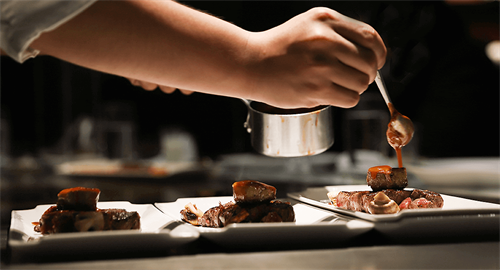
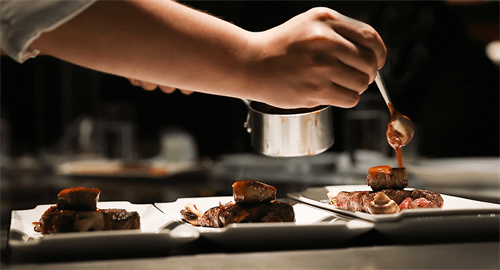
When people describe a dish as “delicious,” they often think the judgment comes purely from taste. In reality, eating is a complex, multidimensional sensory experience formed by four elements: taste, aroma, texture, and temperature. Taste is the chemical perception detected by taste buds, while aroma comes from volatile compounds captured by the olfactory system. Texture involves the tactile sensations on the tongue and oral lining, and temperature shapes how flavors release and evolve. To understand why certain foods pair harmoniously—and why some cultures intentionally disrupt these rules—we must explore both the science of flavor and the cultural forces that push it beyond its boundaries.
1. How Flavor Works: From Volatile Molecules to the Brain
Before food even touches the tongue, aroma signals begin shaping our expectations. Volatile organic compounds enter the nose, activate olfactory receptors, and send information through the olfactory cortex, thalamus, amygdala, and other limbic structures before reaching the frontal cortex. This is why we can make a preliminary judgment about ripeness, freshness, or richness simply by smelling.
Aroma is perceived through two pathways:
- Orthonasal olfaction, when we smell something before eating (like sniffing a ripe banana and instantly knowing its sweetness).
- Retronasal olfaction, when aromatic compounds travel from the mouth to the nasal cavity during eating or drinking (as in wine tasting, where deeper layers of flavor unfold after swallowing).
Volatile molecules behave differently depending on their molecular weight and structure. Compounds with smaller molecular weights evaporate quickly, producing bright, immediate aromas; heavier molecules evaporate slowly and last longer. This principle explains the “top, middle, and base notes” in perfumery.
Studies show that molecules with 8–10 carbon atoms tend to be universally pleasant—such as the citrusy aroma compounds containing nine-carbon chains. Aroma chemistry thus forms the first foundation of flavor pairing: flavor is a conversation between molecules and the brain.
2. The Three Principles of Flavor Pairing
Flavor pairing—the practice of combining two or more ingredients to create a richer, more complex experience—is widely applied in culinary arts, product development, and beverage design. Successful pairings often follow three principles:
(1) Similarity: Molecular “Resonance”
Ingredients that share key aroma compounds naturally complement each other because the brain integrates their signals seamlessly.
Examples include:
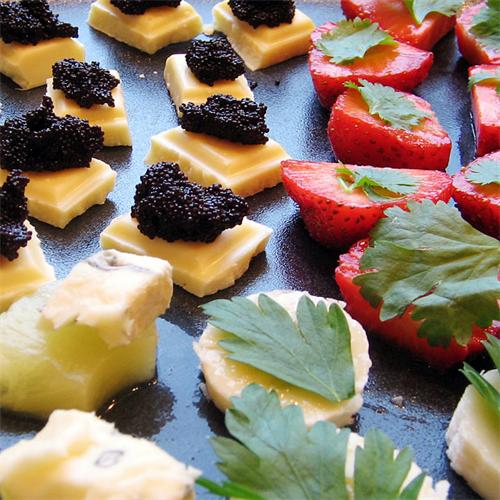
- Strawberries and cilantro, which share aldehydes like nonanal, offering a refreshing botanical brightness.
- Coffee and roasted beef, both rich in pyrazines and sulfur compounds associated with roasted notes.
- Oysters and kiwi, which share green, plant-like aldehydes.
When ingredients “speak the same molecular language,” the pairing feels smooth and harmonious.
(2) Contrast: Sensory Tension and Balance
Contrast pairing creates excitement by intentionally combining opposites:
- Crispy fried chicken with tender, juicy meat inside
- Rich, fatty grilled meat paired with acidic pickles or lemon juice
- Warm apple pie with cold ice cream
Humans are highly sensitive to variation, so contrasting textures, temperatures, and tastes prevent monotony and add dynamism.
(3) Synergy: New Flavors Emerging From Combination
Synergy occurs when ingredients combine to create flavors that neither possesses alone—unlocking hidden notes or forming a new profile altogether.
Some spices do this with meats; chocolate and butter do it in baking. This emergent property is one reason chefs pursue unexpected pairings: the thrill of creating a “third flavor.”
3. When Flavor Grows From the Land: Terroir and Cultural Memory
Flavor pairings are not only scientific—they are ecological. Ingredients that evolve in the same climate and soil often develop naturally harmonious aromas.
Take the Mediterranean trio of tomatoes, olive oil, basil, and cheese: these ingredients grew together in the same environment for centuries, forming an organic system of compatibility. This is flavor shaped by terroir—a macro-level expression of ecology.
Cultural memory also reinforces certain pairings. The combinations repeated across generations form shared culinary identities, making certain “classic” pairings feel inevitable even when they were originally accidents of geography.
4. Why Some Cultures Break the Rules
If all cuisines followed scientific logic, global food culture would be far less diverse. Many iconic dishes emerged through necessity, experimentation, or cultural symbolism that intentionally defied flavor expectations.
(1) Survival and Resource Constraints
Unexpected combinations often came from hardship.
Examples:
- Fermented fish in Northern Europe (like Swedish surströmming): created to preserve food through harsh winters, later transforming into a powerful cultural symbol.
- Gumbo in New Orleans: blending African okra, French roux techniques, and Native American ingredients. It began as a pragmatic mixture among different communities with limited resources.
What began as survival strategies eventually became treasured traditions.
(2) Social and Symbolic Purposes
Food often carries cultural meaning beyond taste. In history, expensive spices such as saffron or cinnamon were used extravagantly—not for flavor balance, but to signify wealth and power. These choices, while illogical by scientific standards, served social and symbolic functions.
(3) Innovation, Migration, and Identity Expression
Culinary rules stay alive because people break them.
Immigrant communities and new generations of chefs frequently disrupt established norms to express identity or claim cultural space.
- Korean American cooks pairing gochujang with Mexican tortillas, creating Korean–Mexican fusion, were asserting their hybrid identity through flavor.
- Ferran Adrià in Spain deconstructed classic dishes using scientific techniques, transforming flavors into foams, gels, and surprising textures—logical tools used to create emotional impact.
These innovations stretch the boundaries of what flavor can be.
5. Science Draws the Map, Culture Crosses the Borders
Flavor science—shared molecules, sensory contrast, the logic of terroir—provides a reliable map showing where harmonious combinations are likely to emerge. But culture, history, and human creativity continually push beyond this map.
- Scarcity forces people to invent new traditions.
- Society assigns symbolic meaning to ingredients and combinations.
- Migrants and chefs reshape flavor to tell their stories.
The richest culinary landscapes arise when scientific structure meets cultural improvisation.
Conclusion
Flavor pairing is both a science and an art. Chemistry, sensory perception, and environmental evolution form the foundations of harmonious flavor. Yet history, survival pressures, identity, and creativity guide humans to challenge those rules, resulting in dishes that surprise, provoke, and endure.
It is precisely this interplay between logic and rebellion—between molecular structure and cultural imagination—that makes global cuisine endlessly diverse and profoundly human.
References
- Charles Spence, Pairing flavours and the temporal order of tasting
- Cammy Crolic, Hedonic Escalation: When Food Just Tastes Better and Better
- Yong-Yeol Ahn, Flavor network and the principles of food pairing
Recommend:
The World’s Spiciest Cultures: Why Some Countries Love Heat and Others Don’t

What Food Critics Get Wrong About Cultural Cuisine
Why Some Cultures Emphasize Large Portions and Others Value Moderation
How Naples Preserved the Soul of Pizza Despite Global Reinvention