
For decades, food critics have shaped public opinion about what “good food” looks, smells, and tastes like. Their reviews influence restaurant reputations, culinary trends, and even how certain cuisines are positioned in global hierarchies. Yet, behind the polished prose and authoritative tone, many food critics carry assumptions—and sometimes outright biases—that distort what cultural cuisine actually represents.
In a world where migration, globalization, and cross-cultural exchange are increasingly common, it has become more important than ever to question traditional food criticism. What happens when a critic trained in one cultural framework evaluates a dish from another? What expectations shape their judgments? And how does this impact how we understand culture through food?
1. Confusing “Authenticity” with a Fixed, Unchanging Standard
One of the most common mistakes food critics make is treating authenticity as something static, as if a cuisine emerges fully formed and never changes. Critics often evaluate dishes based on whether they match a nostalgic or idealized version of a culture that may no longer exist—or may never have existed in the first place.
But authenticity is fluid.
- Mexican cuisine has evolved over thousands of years, incorporating indigenous ingredients, Spanish influences, and modern culinary innovation. Yet a Mexican restaurant outside Mexico may be criticized for being “inauthentic” simply because the flavors differ from a critic’s expectations.
- Chinese cuisine varies widely across 34 provincial-level regions; however, many critics still treat “Chinese food” as a monolithic category. A Sichuan chef abroad may be told the food is “too oily,” “too spicy,” or “not authentic,” based on one narrow reference point.
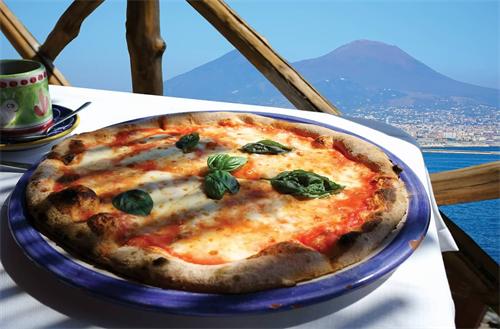
- Italian cuisine, especially pizza and pasta, has become a battleground for debates over authenticity—even though tomatoes themselves were a New World import.
When critics cling to a rigid idea of authenticity, they inadvertently freeze a living culture in time. But cuisines naturally evolve due to migration, climate changes, new agricultural technologies, and even political shifts.
Authenticity, then, is not about sameness; it is about continuity, community memory, and cultural context.
2. Judging “Balance” and “Refinement” Through Western Culinary Frameworks
Many classical food critics come from culinary traditions shaped by French haute cuisine, which historically positioned itself as the gold standard for refinement. Terms such as:
- “balanced flavors”
- “subtlety”
- “elegance”
- “restraint”
reflect these Eurocentric culinary values.
But not all cultures value subtlety. Many cuisines deliberately pursue boldness, contrast, or intensity.
Examples of value mismatches:
- Thai cuisine celebrates layered complexity—sweet, sour, spicy, salty—often in one dish. Critics who prioritize “clean flavors” may fail to appreciate its deliberate sensory exuberance.
- Indian curries are frequently deemed “too heavy” or “over-spiced,” revealing not an issue with the cuisine, but with the critic’s preconceived palate.
- Ethiopian cuisine uses berbere and niter kibbeh to create deep, fiery flavor profiles that may be misunderstood as “too strong” by critics expecting milder European-style seasoning.
Even the definition of “refinement” differs culturally. In Japan, refinement may lie in minimalism; in Korea, in fermentation; in Peru, in complexity of marine, Andean, and Amazonian ingredients.
If critics do not examine their own culinary training and biases, they risk misreading entire cuisines through the lens of Eurocentric taste principles.
3. Assuming Cheap = Low Cultural Value
Certain cuisines—often those originating from immigrant or formerly colonized communities—are historically associated with being “cheap,” “casual,” or “street food.” Food critics sometimes undervalue these cuisines because they associate them with lower economic status.
This results in problematic patterns:
- Southeast Asian cuisine (Thai, Vietnamese, Filipino) long remained underpriced in the West despite its labor-intensive techniques.
- Mexican food, even when made with heritage corn, hand-ground nixtamal, or hours-long braising, is still expected to be inexpensive.
- Soul food in the U.S. is sometimes dismissed as “unhealthy” or “simple” despite its deep historical significance and culinary precision.
On the other hand, when high-end restaurants “elevate” these cuisines, critics often lavish praise—sometimes ignoring how similar dishes have existed for centuries within the originating culture.
This dynamic reveals a blind spot: the price of food often reflects historical inequalities, not culinary worth.
4. Overlooking Cultural Narratives and Historical Trauma Embedded in Cuisine
Cuisines are not just flavor profiles; they are living expressions of cultural memory. Many dishes carry stories of migration, struggle, resilience, and adaptation. Critics who focus solely on taste without considering cultural context miss the deeper meaning embedded in these foods.
Examples of overlooked histories:
- Caribbean cuisine intertwines African, indigenous, and colonial histories shaped by slavery and displacement.
- Jewish diaspora cuisine reflects periods of expulsion and refuge across continents.
- Korean han-sik, including kimchi and preserved foods, evolved from harsh winters and survival strategies.
- Peruvian Nikkei and Chifa cuisines reflect Japanese and Chinese immigration and cultural blending.
When critics view dishes only through sensory pleasure, they may misrepresent or trivialize cuisines that are built upon centuries of cultural complexity.
Food is a story. But many critics forget to ask: Whose story is being told—and who has the authority to interpret it?

5. Misunderstanding Ingredients as “Strange” or “Exotic”
Another harmful pattern is the exoticization of ingredients that fall outside Western norms. Critics sometimes describe unfamiliar ingredients as “bizarre,” “odd,” or “acquired tastes,” even when these ingredients are staples in their cultures of origin.
Examples include:
- Durian, labeled “stinky” without recognizing its cultural symbolism and terroir across Southeast Asia.
- Stinky tofu, judged solely on smell rather than its place in Taiwanese night market culture.
- Insects (chapulines in Mexico, silkworm pupa in Korea), which have long been valuable protein sources.
- Offal dishes—from Chinese intestine dishes to Scottish haggis—often judged inconsistently depending on the critic’s cultural background.
When critics frame non-Western ingredients as exotic, they enforce cultural hierarchies that place Western palates as the universal norm.
6. Applying One-Size-Fits-All Standards of Service and Presentation
Critics frequently evaluate service and presentation through luxury dining conventions: formal plating, quiet ambiance, attentive staff, and structured courses. Yet these standards ignore vastly different cultural expectations.
Different cultures define hospitality differently:
- In Chinese banquet culture, abundance and shared dishes symbolize generosity.
- In Ethiopian or Yemeni dining, eating from a shared platter fosters intimacy and social bonding.
- In Thai street food, speed and efficiency are signs of expertise.
- In Moroccan tagines, slow-cooked communal eating is central to hospitality.
Hence, a food critic expecting Michelin-style service at a family-run Nepalese momo shop fundamentally misunderstands the cultural purpose of the space. Service norms arise from cultural values—not from universal rules.
7. Overpraising “White-Led Reinventions” and Undervaluing Culinary Tradition
Another recurring pattern: when white or Western chefs reinterpret a cultural cuisine, they often receive more praise, media attention, and financial opportunity than chefs from the same culture who make traditional dishes.
Examples:
- A white chef making “modern Indian fusion” is celebrated as innovative, while Indian chefs serving regional specialties struggle to attract critical attention.
- “Elevated Chinese food” becomes trendy when refined through a French or modernist lens, even though similar techniques exist within China’s own culinary heritage.
- Latin American ingredients become high-end only when rebranded by European chefs, while local cooks are overlooked.
This reflects a power imbalance within global food media: the same cuisine is often judged differently depending on who is cooking it.
8. Simplifying Cuisines into Stereotypes
Many critics reduce entire culinary traditions to a few surface-level traits:
- Japanese food = sushi
- Indian food = curry
- Middle Eastern food = hummus
- Chinese food = dim sum or General Tso’s
- Mexican food = tacos
Such simplifications ignore staggering regional diversity. For instance:
- India has dozens of culinary traditions shaped by geography, caste, religion, and migration.
- China’s regional cuisines—from Cantonese to Xinjiang to Yunnan—are nearly as different from one another as French is from Finnish.
- Mexican cuisine includes Oaxacan mole traditions, Mayan cooking, and northern wheat-based dishes.
Critics who rely on stereotypes reinforce narrow, incomplete views of global cuisines.
9. Ignoring How Migration and Diaspora Shape Cuisine
Migration transforms food. Yet critics sometimes treat diaspora versions of dishes as “incorrect” or “lesser.”
However, diaspora cuisines are adaptations shaped by:
- ingredient availability
- local taste preferences
- economic constraints
- generational identity
- hybrid cultural influences
Korean tacos in Los Angeles, Japanese-Hawaiian plate lunches, and Chinese-Peruvian Chifa cuisine are not corruptions—they are living expressions of cultural evolution.
To dismiss them as “inauthentic” is to deny the realities of migration and identity.
Toward a More Culturally Sensitive Food Criticism
So what should food criticism look like?
1. Evaluate food within its cultural logic, not foreign standards.
Ask: What values does this cuisine express? What techniques define it? What does “good” mean within this cultural framework?
2. Recognize the impact of history, migration, and power.
Food is shaped by colonialism, war, diaspora, and globalization.
3. Treat authenticity as a spectrum, not a checkbox.
Cuisines evolve—and that’s a sign of cultural vitality.
4. Avoid exoticizing or fetishizing non-Western foods.
Describe ingredients with respect and context.
5. Give proper credit to the communities that originate the cuisine.
Innovation and tradition both deserve acknowledgment.
6. Understand that value is cultural, not just monetary.
A bowl of street noodles may have more history and technique than a luxury tasting menu.
Conclusion: A More Thoughtful Way to Taste the World
Food is one of the most intimate expressions of cultural identity. When critics impose rigid standards or misunderstand the historical and social context of cultural cuisine, they distort not just the food, but the people behind it.
To appreciate global cuisine fully, we must move beyond simplistic judgments and cultivate a deeper, more empathetic understanding of the cultural worlds embedded in each bite.
True criticism does not simply say whether something tastes “good” or “bad.”
It asks:
What does this food mean?
Where does it come from?
And what stories does it carry?
Only when critics embrace this broader lens can food writing truly honor the cultures that create the world’s diverse, beautiful, and endlessly evolving cuisines.
References
- Bourdain, Anthony. Kitchen Confidential: Adventures in the Culinary Underbelly. HarperCollins, 2000.
- Johnston, Josée, and Shyon Baumann. Foodies: Democracy and Distinction in the Gourmet Foodscape. Routledge, 2010.
- Wong, Ken. “Rethinking Authenticity in the Age of Global Cuisines.” Gastronomica: The Journal of Critical Food Studies, vol. 18, no. 3, 2018.
Recommend:

The Coastal Food Culture of Zanzibar: A Blend of African, Arab, and Indian Flavors
How Colonial Trade Routes Still Shape Modern Taste Preferences
Why Some Cultures Emphasize Large Portions and Others Value Moderation

Cultural Appropriation in Cuisine: When Does Inspiration Become Insensitive?