The flavors we enjoy today are not merely products of local ingredients or modern culinary innovation. Many of the tastes that define contemporary cuisines are direct descendants of centuries-old colonial trade networks. These routes, established during the Age of Exploration and expanded by European empires, not only transported goods and spices across continents but also transformed societies’ culinary habits, which continue to influence taste preferences worldwide.
The Origins of Colonial Trade and Taste Transformation
During the 15th and 16th centuries, European nations like Portugal, Spain, the Netherlands, England, and France began establishing maritime empires. Their motivation was multifaceted: securing precious metals, expanding territorial claims, and—crucially—controlling the trade of spices, sugar, coffee, cocoa, and other commodities that were both luxury items and status symbols in Europe.
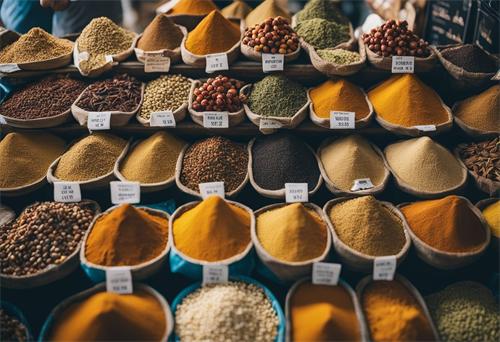
Spices like black pepper, cinnamon, nutmeg, and cloves, once grown only in South and Southeast Asia, became the engines of global commerce. European colonial powers not only sought direct access to these spices but also attempted to monopolize production through conquest and plantation systems. This meant that the presence of certain flavors in European diets was no longer just a matter of regional taste; it became a marker of colonial influence.
Sugar and Sweetness: The Caribbean Example
One of the most profound examples of colonial trade shaping taste is the spread of sugar. Sugarcane, originally from Southeast Asia, was brought to the Caribbean by European colonizers. Plantations relied heavily on enslaved African labor, creating an economy in which sugar production became central. Over time, this abundance of sugar shifted European palates toward a preference for sweeter foods and beverages, a trend that persists today in desserts, soft drinks, and confectionery across the Western world.
Interestingly, sugar also transformed taste in colonized regions. African and Asian societies, introduced to refined sugar in large quantities through colonial trade, integrated sweetness into traditional recipes in new ways. For instance, Indian desserts like gulab jamun or Caribbean rum cakes reflect the intermingling of local ingredients with imported sugar, showing how colonial trade routes created lasting culinary hybrids.
The Global Journey of Spices and Heat
Spices, in particular, reshaped global taste preferences by introducing flavors that were previously exotic to many regions. Chili peppers, native to the Americas, were carried across the Atlantic by Spanish and Portuguese traders. Within a few decades, chili became integral to cuisines in India, Thailand, Korea, and China. The popularity of heat in these regions is therefore not purely indigenous; it owes much to the transcontinental flow of ingredients prompted by colonial trade.
Nutmeg and cloves followed a similar trajectory. Native to the Maluku Islands in Indonesia, these spices were highly sought after in Europe and transported to distant colonies and trading hubs. Over time, European settlers introduced these spices into local dishes, creating hybrid culinary traditions. In Indonesia, European colonial influence led to desserts and sauces that combined indigenous ingredients with imported flavors, shaping taste patterns that are still evident today.
Coffee, Tea, and the Bitterness of Global Commerce
Colonial trade also shaped the human affinity for bitterness. Tea, grown in colonies like India and Ceylon (modern-day Sri Lanka), became a staple in Britain. Similarly, coffee plantations in Java, Ethiopia, and the Caribbean fueled the European and later American love for bitter beverages. Over centuries, these imported flavors normalized bitterness in diets, contrasting with pre-colonial preferences for naturally sweet or unseasoned drinks. Today, the global acceptance of coffee and tea, and their variations in sugar, milk, or spices, reflects centuries of colonial taste shaping.
Condiments and the Spread of Umami
The colonial era also facilitated the diffusion of umami-rich ingredients. Soy sauce and fermented fish sauces, common in Southeast Asia, were exported to trading ports frequented by Europeans. These condiments gradually entered Western kitchens, influencing sauces, marinades, and processed foods. Similarly, European colonizers introduced fermented products like cheese, cured meats, and pickles to colonies, blending foreign and local tastes. Today’s global flavor palettes—where soy, fish sauce, mustard, and ketchup coexist—are a direct legacy of these cross-cultural culinary exchanges.
Legacy in Modern Culinary Preferences
The influence of colonial trade on modern taste is visible not only in ingredient selection but also in broader culinary patterns. Caribbean, Latin American, Southeast Asian, and South Asian cuisines often showcase a mix of indigenous, African, and European flavors. For instance, Filipino adobo reflects Spanish culinary techniques combined with local meat and vinegar, while Jamaican jerk seasoning blends African cooking methods with imported allspice and chili peppers. These hybrid cuisines are living testaments to centuries of trade-driven taste evolution.
Even in countries that were not major colonial powers, taste preferences were indirectly shaped by global trade networks. The presence of coffee, chocolate, sugar, spices, and tea in everyday diets demonstrates how colonial commodities became normalized, influencing the way we enjoy flavor today. Sweetness, bitterness, spiciness, and umami—once markers of global trade reach—are now considered basic taste categories.
Cultural Memory and Culinary Identity
Food is not only nutrition; it is also cultural memory. Colonial trade introduced ingredients that became symbolic of status, identity, and even resistance. For example, in India, the incorporation of chili into curries and snacks represents both adaptation and agency in response to colonial imports. In the Caribbean, rum and sugar-based desserts tell stories of colonial labor, migration, and cultural fusion. Understanding modern taste preferences, therefore, requires acknowledging the historical trajectories that brought ingredients and cooking methods across oceans.
Conclusion
Modern taste preferences are a palimpsest of historical trade routes, colonial ambitions, and cultural adaptations. From the sweetness of desserts, the heat of chili peppers, the bitterness of coffee, to the umami of fermented condiments, our palates carry echoes of centuries of human movement, commerce, and exchange. Recognizing this lineage does more than satisfy historical curiosity—it helps us understand the interconnectedness of cultures, the deep histories embedded in what we eat, and why certain flavors resonate universally while others remain regionally cherished. The next time we sip coffee, savor chocolate, or bite into a spicy curry, we are not just experiencing flavor—we are tasting history itself.
References
1. Mintz, Sidney W. Sweetness and Power: The Place of Sugar in Modern History. Penguin, 1985.
2. Pilcher, Jeffrey M. Food in World History. Routledge, 2006.
3. Mann, Charles C. 1493: Uncovering the New World Columbus Created. Vintage Books, 2011.
4. Kiple, Kenneth F., and Kriemhild Coneè Ornelas. The Cambridge World History of Food. Cambridge University Press, 2000.
5. Ray, Krishnendu. The Ethnic Restaurateur. Bloomsbury Academic, 2004.
6. Freedman, Paul. Out of the East: Spices and the Medieval Imagination. Yale University Press, 2008.
Recommend:
Rice, Wheat, and Maize Civilizations: How Staple Foods Shape Culture
How Taste for Bitterness Varies Across Countries—and the Traditions Behind It
How Naples Preserved the Soul of Pizza Despite Global Reinvention
How Manila’s Food Culture Reveals Layers of Spanish, American, and Chinese Influence