On quiet afternoons when autumn rain patters against the windows and a chill spreads through the air, people naturally look for warmth and comfort. And for anyone who loves food, the simplest, most instinctive solution is often just one word—meat.
Barbecue is one of humanity’s earliest cooking methods; since the moment humans learned to control fire, the aroma of sizzling fat and the glow of burning embers have become part of our shared sensory memory. The sound of meat hitting a hot surface, the rising steam, the sweetness of melting fat—these sensations cut through gloomy weather and replace it with a feeling of satisfaction and joy.
At first glance, Teppanyaki, Hibachi, and Korean BBQ all seem to revolve around the same idea: cooking meat directly in front of diners. But beneath that apparent similarity lies a completely different cultural logic. These three dining styles diverge in their origins, their philosophies, and the kinds of social experiences they aim to create. What they share in form, they do not share in spirit.
I. Japanese Teppanyaki: A Theater of Precision and Culinary Art
Modern Japanese Teppanyaki is relatively young compared to other traditional cuisines. It emerged from Western-style iron griddle cooking, introduced to the Americas and later refined by Japanese-American chefs before returning to Japan as an elevated dining experience. Today, Teppanyaki stands as a symbol of refinement, technique, and understated elegance.
1. The diner as spectator, the chef as performer
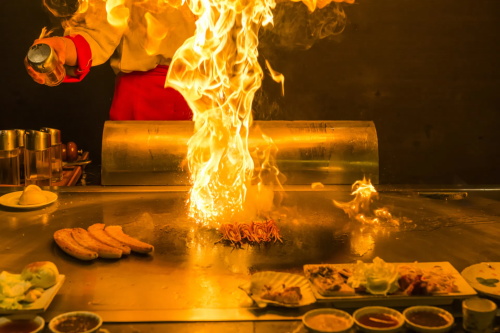
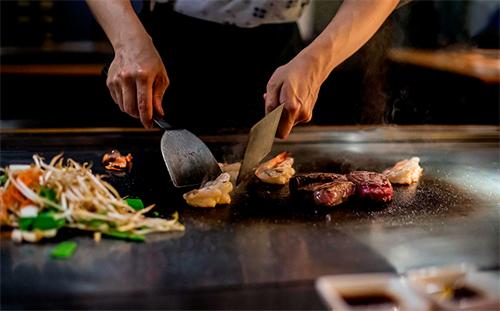
In a Teppanyaki restaurant, the dining table becomes a stage. The chef stands at the center like an artist, orchestrating every movement—precise knife strokes, controlled bursts of flame, and graceful motions that feel almost choreographed. The “onion volcano,” the egg-tossing tricks, and the rhythmic tapping of metal tools are not merely techniques; they are part of a carefully constructed performance.
Yet unlike the lively atmosphere one might find elsewhere, Teppanyaki maintains a sense of quiet admiration. The ambiance is formal, attentive, and almost ceremonial. Diners watch closely, speak softly, and synchronize their focus on the chef’s craftsmanship. This environment reflects Japan’s cultural affinity for ritualized, aesthetically governed forms of practice—much like tea ceremony or flower arrangement.
2. Minimal seasoning and the pursuit of pure flavor
Teppanyaki relies heavily on premium ingredients capable of standing on their own without heavy seasoning. Kobe beef, fresh lobster, seasonal vegetables—each ingredient is chosen precisely because its natural flavors are exceptional.
Seasonings are intentionally sparse: sea salt, black pepper, a touch of sake, or a drizzle of soy sauce. The laser-focused attention to temperature makes or breaks the dish; even slight deviations can alter texture and aroma. In this philosophy, cooking is not about transforming ingredients, but elevating their inherent qualities.
This restrained and meticulous approach echoes the Japanese aesthetic of shibui—simple, unobtrusive beauty—and the cultural reverence for mastery through repetition and precision.
II. Hibachi: The Americanized Feast of Interaction and Entertainment
In Japanese, “hibachi” refers to a charcoal heating bowl. But in the United States and many other countries, the word has taken on new meaning: an energetic, show-style form of table-side cooking that blends performance, humor, and Westernized flavors.
1. The chef as entertainer, the diners as participants
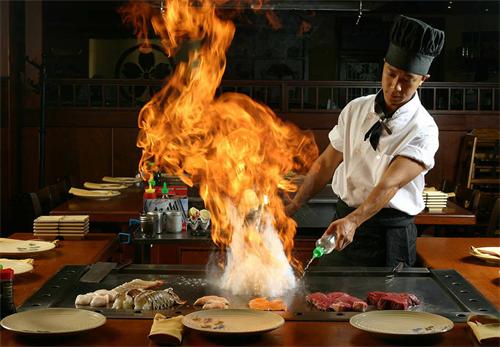
Unlike the quiet and refined environment of Teppanyaki, Hibachi dining is loud, cheerful, and full of laughter. The chef takes on the role of entertainer—joking with guests, flipping shrimp into people’s mouths, juggling utensils, or igniting dramatic flames on the grill. Families celebrate birthdays here, coworkers toast to teamwork, and groups of friends bond over shared amusement.
The emphasis is not on culinary purity but on fun. Diners are invited into the experience through direct engagement, making the meal feel like a communal event rather than a performance to observe silently. This liberal, participatory, playful atmosphere is deeply connected to American dining culture, where food often serves as a social catalyst.
2. Rich flavors, bold sauces, and instant gratification
In contrast to the minimalism of Teppanyaki, Hibachi embraces bold, accessible flavors. Creamy mayonnaise-based sauces, sweetened soy glazes, garlic butter, and generous drizzles of house “Hibachi sauce” create a flavor profile that is indulgent and immediately satisfying.
This style of cooking prioritizes enjoyment and intensity over subtlety. It reflects a culture that values expressiveness, openness, and multisensory excitement—where food is as much entertainment as it is nourishment.
III. Korean BBQ: A Collective Celebration Fueled by Fire and Participation
Korean BBQ stands in stark contrast to both Teppanyaki’s precision and Hibachi’s staged entertainment. Rooted in centuries-old grilling traditions—and influenced in part by Mongolian cooking methods introduced during the 13th century—Korean BBQ evolved into a culinary experience defined by participation, communal energy, and richly seasoned flavors.
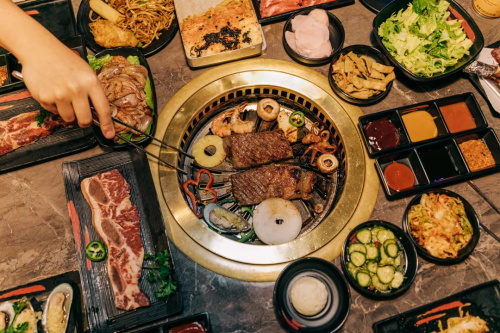
1. No central chef—every diner becomes the cook
One of the defining features of Korean BBQ is the absence of a single chef figure. Diners sit around a grill built directly into the table. The restaurant staff brings the ingredients, replaces the grill plates, and assists when needed—but the actual cooking is done by the diners themselves.
Someone turns the meat, another cuts it with scissors, someone else arranges the garnishes or wraps the cooked pieces in lettuce. It’s a shared effort, a miniature ecosystem of collaboration.
This style embodies the Korean cultural values of collectivism, participation, and emotional expressiveness. The smoke, the sizzling fat, the constant movement—it all creates a sense of being fully alive, fully connected, fully present with the people around you.
2. Marination as the heart of Korean BBQ
With the exception of premium hanwoo beef, most Korean BBQ meats are marinated long before they hit the grill. Soy sauce, garlic, sugar, sesame oil, pear juice, chili paste, and sometimes fruit purées come together to create complex layers of sweetness, saltiness, and umami.
When grilled, these marinades caramelize beautifully, blending with the melting fat to produce a deep, fragrant flavor. Paired with crisp lettuce wraps, fermented kimchi, raw garlic, or spicy dipping sauces, Korean BBQ emphasizes richness, variety, and sensory contrast.
The experience is not about refinement but about abundance, warmth, and connection.
IV. Tools, Side Dishes, and the Cultural Meaning Behind Them
Beyond cooking style and flavor, even the tools and accompaniments used by these three cuisines reveal their cultural foundations.
1. The cooking surfaces: control, expression, or warmth
- Teppanyaki uses flat, polished iron griddles, emphasizing precision, temperature stability, and complete control in the hands of the chef.
- Japanese yakiniku grills often use metal mesh or ribbed cast-iron plates, supporting even heat distribution to preserve the ingredient’s natural taste.
- Korean BBQ employs stone slabs, iron plates, dome-shaped lids, and ceramic grills, producing a hybrid searing–grilling effect and encouraging heavy flavor absorption.
Each tool mirrors a cultural worldview: Japan favors refinement and exactitude; Korea favors warmth, adaptability, and communal comfort; the American Hibachi style favors expression and entertainment.
2. Rice, lettuce, and sauces: more than just side dishes
The side dishes reveal cultural storytelling:
- Japanese BBQ pairs naturally with rice, a reflection of Japan’s long-standing rice-centered dietary culture.
- Korean BBQ uses lettuce wraps and fermented sides, symbolizing balance, freshness, and the Korean emphasis on shared plates and fermentation traditions.
- Hibachi offers creamy sauces and bold flavors, highlighting America’s preference for richness, accessibility, and personalization.
These accompaniments turn the meal into a cultural dialogue.
V. What These Three Styles Reveal About Their Cultures
When placed side by side, Teppanyaki, Hibachi, and Korean BBQ tell a larger story about how different societies interpret food:
1. Teppanyaki represents mastery, discipline, and aesthetic order
It is a “way” or “dō,” echoing the Japanese pursuit of refinement through structure and technique.
2. Hibachi reflects openness, humor, and entertainment-driven dining
It embodies the American preference for social ease and experiential dining.
3. Korean BBQ expresses collectivism, warmth, and emotional intensity
It shows how food in Korea is intertwined with relationships, participation, and shared joy.
Despite sharing iron plates and fire, the philosophies behind these cooking traditions diverge into three distinct cultural paths:
one toward art and precision, one toward celebration and entertainment, and one toward communal joy and shared labor.
Conclusion: No hierarchy—only different paths to the joy of eating
Iron plates, fire, and meat may be universal elements, but the cultures behind them shape completely different meanings. Teppanyaki elevates food into quiet artistry; Hibachi transforms cooking into a social show; Korean BBQ turns dining into a lively, collaborative ritual.
There is no “better” or “worse.”
There is only the universal human desire to be warmed, satisfied, and connected through food.
Whether you seek the elegance of a culinary performance, the laughter of a shared celebration, or the smoky intimacy of gathering around a grill, each style of cooking offers its own version of happiness—its own way of bringing comfort and joy to everyday life.
Recommend:
The Global Divide Between Chopsticks, Forks, and Hands: What Eating Tools Say About Culture
Why Lisbon’s Culinary Scene Is Being Reborn Through Portuguese Maritime History
Why Yunnan’s Food Culture Is China’s Most Diverse—and How Ethnic Minorities Shaped It
How Manila’s Food Culture Reveals Layers of Spanish, American, and Chinese Influence