The tools we use to eat are so ordinary that we seldom notice them — until we travel, sit at a foreign table, or awkwardly fumble with unfamiliar utensils. But chopsticks, forks, and hands do more than move food from plate to mouth. They carry histories, climate-driven adaptations, social hierarchies, religious prescriptions, aesthetic values, and ideas about the body and the community. Reading a culture’s eating implements is a compact way to read that culture’s priorities: what it values, how it organizes social life, and what it takes for granted.
A short primer: where the tools came from
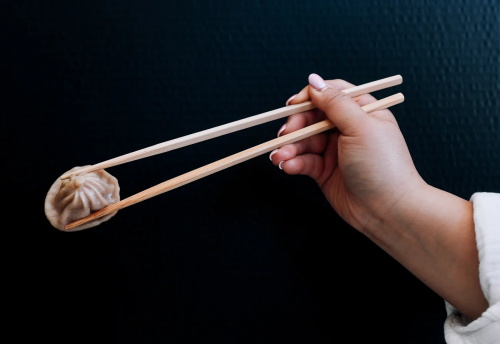
Chopsticks. Originating in ancient China more than 3,000 years ago, chopsticks started as simple sticks used for cooking — stirring pots and pulling food from boiling water. As cooking techniques shifted toward cutting food into bite-sized pieces and away from large roasted joints, a pair of sticks became adequate for picking up small morsels and for communal dishes. Over centuries the chopstick spread through East and Southeast Asia, adapting into variations (bamboo, lacquered, metal, tapered or blunt) and collecting etiquette rules.
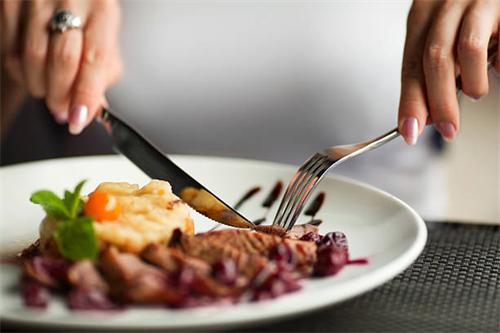
Forks. The fork’s ancestry lies in the two-pronged carving tools used in the ancient Mediterranean. The dining fork as a personal utensil emerged in Byzantium and medieval Europe but did not become widespread until the Renaissance. Initially met with suspicion as an affectation, the fork gradually became a marker of dining sophistication and hygiene—especially as table manners around individual plates and cutlery developed in Europe.
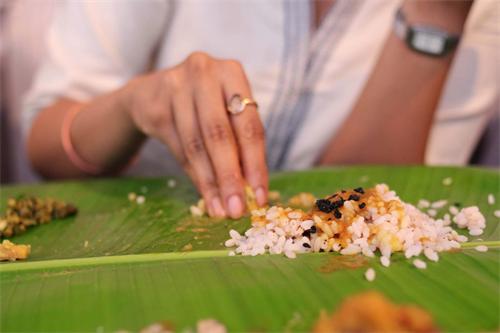
Hands. Eating by hand is the most universal and ancient practice. From South Asia to parts of Africa, the Middle East, and many Indigenous cultures worldwide, hands are central. Eating with hands is often practiced with specific fingers (usually the right hand), and is governed by detailed rules about cleanliness, portioning, and posture. Hands connect the body directly to food and to the tactile, sensual dimension of eating.
Practical reasons: environment, cuisine, and technology
Diet and available cooking methods heavily influence utensil choice.
Texture and preparation. Rice and thinly sliced vegetables, grains, and bite-sized stir-fried foods found in East Asia pair naturally with chopsticks; small, slippery items can be deftly pinched or scooped. In Mediterranean and Northern European cuisines, where roasted meats and larger cuts were common, knives and forks that could spear or hold a piece while cutting were more functional.
Shared dishes vs individual plates. Cultures that favor communal bowls and dishes often develop tools that facilitate shared serving. Chopsticks and hands both fit well with shared dining because they can pick items from central platters. In contrast, the fork-and-knife system evolved alongside individualized plating and courses served to a person’s own plate.
Resource constraints. In many regions, durable, reusable metals were scarce or expensive; bamboo, wood, or clay were abundant and shaped early utensil forms. The material culture of utensils thus reflects what a society could afford and what manufacturing techniques it mastered.
Symbols and social meanings
Utensils are laden with symbolic value.
Status and civility. In many European contexts the fork became associated with refinement. Using a fork and knife properly signaled training, class, and adherence to social norms. Conversely, in some societies, elaborate chopstick sets or ornamental handles can denote wealth, and certain chopstick etiquette (for example, not sticking them upright in a bowl of rice) ties into ritual meaning (it resembles incense at funerals).
Religious and moral norms. Eating with hands is regulated in traditions like Hinduism and Islam, where ritual purity governs whether and how you may eat physically. Some faiths emphasize the sanctity of food and the importance of touch in offering thanks — hand-eating can be an embodied practice of gratitude and restraint. In contrast, in cultures with strong influenced by Christian-European table manners, utensils could be framed as markers of civilized behavior.
Gender, age, and hierarchy. Who is served first, who uses which utensils, and how one hands a dish to another can encode social rank within families or communities. For example, older generations may insist on traditional utensils as a way to preserve cultural identity; children may be taught etiquette as part of their moral education.
The choreography of eating: manners, ritual, and body politics
Each utensil type comes with a set of embodied rules — a choreography of hands, posture, and gaze. Chopstick etiquette can be precise (don’t spear food like a fork, don’t pass food from stick to stick). Fork-and-knife dining involves a whole grammar of knife angles, switching hands, and keeping elbows in certain positions. Eating with hands has rules: use only certain fingers, keep palms clean, and avoid double-dipping.
These manners teach more than hygiene: they socialize people into a shared sense of propriety. They train attention — watching how someone eats can show respect or disrespect. Breaking rules can be rebellious, comedic, or shocking, depending on context.
Aesthetics and sensory values
Tools influence taste and texture preferences. Chopsticks foster an eating style where food is often cut into delicate pieces and presented in ways that emphasize harmony and balance. The aesthetic of East Asian cuisines — emphasis on bite-sized items, mixed textures, and visual composition — harmonizes with chopstick use.
Hands, meanwhile, foreground haptic pleasure: the warmth, texture, and layering of food. Think of tearing bread, mashing cassava, or rolling a chapati — the hand transforms and judges food in ways a fork cannot. The fork-and-knife format often privileges the savoring of single, well-defined bites and the display of carved foods.
Globalization, migration, and hybrid tables
The world is less divided now. Migration, colonial histories, and globalization mix utensil traditions in surprising ways.
Hybrid etiquette. In many cosmopolitan settings people switch between utensils fluidly: using chopsticks for noodles and a fork for salad, or eating with hands at a formal fusion-restaurant pop-up. Younger generations adopt utensils pragmatically depending on the food.
Culinary globalism. Sushi with forks, burgers with chopsticks, and finger foods designed for sharing across cultures show how utensils adapt. Restaurants often provide multiple utensil options or redesign foods intentionally to be eaten with hands (mini-bites, sliders) to evoke intimacy and approachability.
Cultural politics. Utensils can also become political markers. During colonial encounters, insisting on Western utensils was sometimes framed as “civilizing,” while preserving traditional utensils could be an act of resistance. Today, choice of utensils can be reclaimed as a cultural assertion in diasporic communities.
Misunderstandings and cross-cultural faux pas
Many dining faux pas are born from a mismatch of etiquette codes. An American guest who grabs a communal dish with a personal fork may offend, while a visitor in Japan who uses chopsticks to point at food or passes food directly between chopsticks may cause discomfort. Awareness, curiosity, and asking respectfully are better than rigid judgment.
Importantly, what one culture calls “rude” might simply be unfamiliar: what looks like sloppiness to an outsider can be a deeply meaningful or strictly codified practice for insiders. Approaching dining rituals with humility opens up learning rather than judgment.
What utensil choices reveal about broader cultural values
Individualism vs collectivism. The fork-and-knife, often used in individualized plating systems, aligns with cultures that emphasize personal space and defined courses. Shared platters and chopsticks or hand-eating reflect communal sharing and fluid exchange.
Emphasis on control vs connection. Utensils that distance the body from food (forks, spoons, knives) may signal a cultural preference for mediated, orderly interaction with material objects. Eating with hands can foreground bodily connection and immediate sensory engagement.
Formality and ritualization. Intricate utensil etiquette often accompanies societies that ritualize social interactions into forms of display and hierarchy. Simpler or more tactile methods of eating can indicate egalitarian or relational approaches to meals.
Toward respectful curiosity: eating as cultural learning
Understanding why people use chopsticks, forks, or hands is a way to bridge cultures. Utensils are not just tools; they are stories, archives of climate and agriculture, markers of identity, and living practices that evolve.
If you travel, a few practical tips:
- Observe before you imitate; watch the host or the majority.
- When in doubt, ask discreetly — people often appreciate curiosity.
- Bring flexibility: being able to use chopsticks or forks is a small but meaningful way to show cultural openness.
- Remember that etiquette varies even within countries — urban and rural, religious and secular, or generational differences can change table behavior.
Conclusion
Chopsticks, forks, and hands shape and are shaped by what and how societies eat. They encode agricultural histories, social hierarchies, aesthetic priorities, and religious values. As food flows more freely across borders, utensils travel too — sometimes replacing old practices, sometimes coexisting in novel, hybrid forms. By paying attention to what people use to eat, you glimpse the deeper patterns of their lives: how they relate to nature, to community, and to the body. The next time you pick up a utensil, notice the story it tells — it’s a small archaeology of culture, mapped on your plate and your palms.
References
- Newman, Paul. “Cutlery and Table Manners: A Historical Overview.” Journal of Material Culture 12, no. 3 (2007): 347–367.
- Wong, David. “Chopsticks: A Cultural and Historical Perspective.” Asian Ethnology 58, no. 2 (1999): 235–256.
- Bray, Francesca. “The Technology and Practice of Chopsticks.” In Science and Civilisation in China, Cambridge University Press.
- Visser, Margaret. The Rituals of Dinner: The Origins, Evolution, Eccentricities, and Meaning of Table Manners. HarperCollins, 1991.
Recommend:
The Psychology of Trying New Foods While Traveling
The Global Divide Between Chopsticks, Forks, and Hands: What Eating Tools Say About Culture
Why Fusion Cuisine Has Entered Its “New Authenticity” Era

How Naples Preserved the Soul of Pizza Despite Global Reinvention