
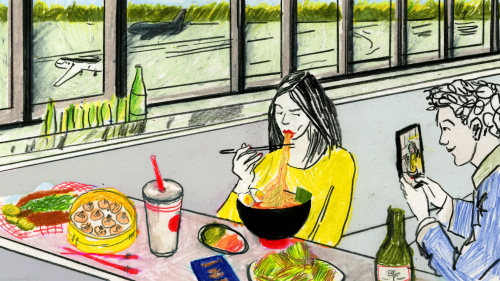
Traveling is often described as an opportunity to explore new landscapes, cultures, and ways of life. Among these experiences, food occupies a particularly unique space. Eating is a necessity, but when paired with the adventure of travel, it becomes a gateway to understanding a culture from the inside out. Yet, trying new foods—especially those that are foreign, unusual, or seemingly challenging—can evoke a complex blend of curiosity, excitement, anxiety, and even fear.
The Role of Neophobia and Neophilia
At the core of food exploration lies a tension between two opposing tendencies: food neophobia and food neophilia. Food neophobia is the fear of trying new foods, a trait particularly strong in childhood but that can persist into adulthood. It is an evolutionary mechanism; in prehistoric times, unfamiliar foods could be dangerous, containing toxins or pathogens. This cautious instinct ensured survival.
In contrast, food neophilia is the attraction to novelty, including novel tastes, textures, and culinary experiences. People with higher neophilic tendencies are more likely to embrace adventurous eating, whether it’s sampling street foods in Bangkok, eating insects in Oaxaca, or trying fermented dishes in Korea. Studies show that adults with higher neophilic tendencies tend to report greater satisfaction with their food-related travel experiences, suggesting that a willingness to experiment can enhance the overall richness of travel.
Interestingly, most travelers fall somewhere in between these two extremes. The psychology of trying new foods often involves negotiating internal risk assessments with cultural curiosity. For example, someone might hesitate at first to eat a dish that includes unfamiliar ingredients but may be persuaded by social cues—seeing locals enjoy it, learning about its cultural significance, or simply being in an environment where experimentation is normalized.
Sensory Perception and Cultural Taste Conditioning
Our preferences for flavors, textures, and aromas are not innate; they are shaped by cultural exposure from infancy. Sweet, salty, and umami tastes tend to be universally accepted, whereas bitter and sour flavors can be more culturally conditioned. For instance, while Scandinavian cultures may favor herring or fermented fish, many travelers from the United States or East Asia find these flavors challenging. Similarly, Southeast Asian cuisine often includes pungent ingredients like durian or fermented shrimp paste, which can evoke strong aversions in those unfamiliar with them.
When traveling, encountering flavors outside one’s typical palate can trigger sensory dissonance, a psychological discomfort caused by the mismatch between expectation and experience. This discomfort can sometimes lead to refusal of certain foods, but when approached with curiosity and gradual exposure, it can also result in taste adaptation, where repeated exposure increases tolerance and even enjoyment of previously challenging foods.
The sensory psychology of food also intersects with cultural learning. Travelers often learn to associate the taste of a dish with positive social experiences, such as sharing a meal with locals or attending a festive event. This associative learning can convert initially unpleasant tastes into cherished memories, reinforcing the idea that the psychological experience of food is inseparable from its cultural context.
The Influence of Social and Cultural Norms
Eating is a profoundly social activity, and the social environment significantly impacts our willingness to try new foods. Anthropologists describe this as social modeling—people are more likely to adopt behaviors observed in others. In culinary contexts, observing locals enjoying a dish can reduce neophobic reactions, as the food becomes socially validated.
For example, a traveler may initially hesitate to eat balut (fertilized duck egg) in the Philippines, but seeing street vendors and local families consuming it confidently can normalize the experience. Similarly, guided food tours or communal meals often leverage social proof, encouraging participants to take small, low-risk bites. This social influence extends to online travel communities as well; reading about others’ positive experiences can psychologically prime travelers to try foods they might have otherwise avoided.
Social norms also explain why some travelers engage in culinary bravado, attempting foods that are technically edible but culturally challenging, such as insects in Thailand or blood sausages in Spain. The desire to impress peers, appear adventurous, or “fully experience” a destination can override initial hesitation, highlighting the interplay between individual psychology and group dynamics.
Risk Perception and the Fear Factor
Despite social encouragement, trying new foods often involves an assessment of perceived risk. Unlike familiar foods, unfamiliar dishes carry uncertainty regarding taste, ingredients, and even hygiene. This risk perception is amplified by cultural stereotypes and media depictions. For instance, Western travelers may have exaggerated fears of eating street food in developing countries, worrying about foodborne illness despite modern safety standards.
Psychologists note that this fear can be mitigated through risk framing. If a food is presented as a local delicacy, freshly prepared, or highly recommended by reputable guides, travelers are more likely to overcome hesitation. Conversely, foods framed as exotic or dangerous can trigger avoidance, regardless of actual safety.
Interestingly, moderate risk can enhance the thrill of eating. The novelty-risk hypothesis suggests that some travelers actively seek foods that are perceived as daring or extreme, as part of an adventure-seeking personality. Trying unusual foods can activate the brain’s reward system, releasing dopamine and creating lasting memories. This explains why extreme food experiences—like eating fried tarantulas in Cambodia or pufferfish in Japan—are so memorable and often recounted as highlights of a trip.
Cultural Identity and Ethical Considerations
The psychology of trying new foods is also intertwined with cultural identity and ethical considerations. Some travelers may refuse certain foods due to vegetarianism, religious beliefs, or ethical concerns about animal welfare. In these cases, the decision is less about fear and more about aligning behavior with personal values.
However, this does not preclude enjoyment of culinary exploration. Many travelers navigate these constraints by seeking plant-based or ethically sourced local specialties. For instance, a vegetarian traveling in India can explore a vast array of flavorful legumes, dairy-based dishes, and regional street foods that do not conflict with ethical principles. This shows that the psychology of food choice is multifaceted, balancing personal values, sensory curiosity, and cultural immersion.
Techniques for Overcoming Hesitation
Understanding the psychological barriers to trying new foods enables travelers to adopt strategies that enhance the experience. Some effective approaches include:
1. Start Small: Sampling a single bite or sharing a dish reduces pressure and allows gradual acclimation to new flavors.
2. Learn About the Dish: Understanding the history, preparation, and cultural significance of a food can transform anxiety into curiosity.
3. Use Familiar Anchors: Comparing unknown foods to familiar tastes or ingredients creates a cognitive bridge that eases acceptance.
4. Travel with Experienced Foodies: Companions who are confident eaters can model adventurous behavior and provide reassurance.
5. Mindful Eating: Focusing on the textures, aromas, and flavors, rather than rushing or judging, fosters openness and enjoyment.
6. Record Positive Experiences: Journaling or photographing food experiences reinforces positive associations, increasing future willingness to explore.
By applying these techniques, travelers can turn potential discomfort into rewarding cultural experiences.
Culinary Curiosity as Cultural Empathy
At its heart, trying new foods while traveling is an act of empathy and cultural engagement. Food is a lens through which we can understand history, geography, social structures, and value systems. Sharing a meal with locals or learning to cook regional dishes fosters connection beyond superficial tourism. Psychologically, stepping outside comfort zones and engaging with unfamiliar tastes enhances openness, flexibility, and cross-cultural understanding.
Moreover, embracing culinary novelty can reshape our perception of normalcy. Foods that seemed strange or off-putting in one context can become cherished experiences, challenging ethnocentric biases. This expansion of taste mirrors a broader expansion of worldview, highlighting the intimate connection between psychology, food, and cultural learning.
Conclusion
The act of trying new foods while traveling is far more than a gustatory experiment; it is a rich psychological journey. Influenced by factors such as neophobia and neophilia, sensory perception, social modeling, risk assessment, and ethical values, the decision to taste the unfamiliar reflects the complex interplay between individual psychology and cultural environment.
For travelers, understanding these dynamics can enhance both personal enjoyment and cultural immersion. Approaching unfamiliar foods with curiosity, patience, and openness can transform initial apprehension into deep satisfaction, fostering memories that last long after the journey ends. More than just nourishment, food becomes a conduit for connection, empathy, and exploration, proving that the psychology of eating is inseparable from the broader human experience of travel.
Next time you encounter a dish that makes you hesitate, remember: a bite is not just a taste—it is an entry point into the culture, history, and people of a place.
References
1. Rozin, P., & Fallon, A. E. (1987). A perspective on disgust. Psychological Review, 94(1), 23–41.
2. Pliner, P., & Hobden, K. (1992). Development of a scale to measure the trait of food neophobia in humans. Appetite, 19(2), 105–120.
3. Herz, R. S. (2016). The role of smell in taste and flavor perception. Journal of Neurophysiology, 116(6), 2825–2831.
4. McCrickerd, K., & Forde, C. G. (2016). Sensory influences on food intake control: Moving beyond palatability. Physiology & Behavior, 164, 501–507.
5. Fischler, C. (1988). Food, self and identity. Social Science Information, 27(2), 275–292.
Recommend:
Why Some Cultures Emphasize Large Portions and Others Value Moderation

Why Yunnan’s Food Culture Is China’s Most Diverse—and How Ethnic Minorities Shaped It
How Taste for Bitterness Varies Across Countries—and the Traditions Behind It
Why Sicily’s Food Culture Is Unlike the Rest of Italy: Arab, Greek, and Norman Influences