The foods we crave are far from random. Whether it’s the buttery richness of croissants in Paris, the fiery spiciness of Sichuan hotpot, or the sweet indulgence of chocolate in Belgium, our preferences are shaped by a combination of biology, culture, and personal experience. Understanding why our brains are drawn to certain flavors requires a deep dive into both the physiological mechanisms of taste and the cultural contexts that shape our palates.
The Biology of Flavor Cravings
At the most basic level, taste is a survival mechanism. Humans evolved to detect and seek out foods that provide essential nutrients while avoiding toxins. Our tongues and olfactory systems work together to sense five basic tastes: sweet, sour, salty, bitter, and umami (savory). Each taste carries biological significance:
Sweetness indicates energy-rich carbohydrates, signaling the presence of sugar, a primary source of fuel for the brain.
Saltiness signals essential electrolytes that maintain fluid balance and nerve function.
Umami, associated with amino acids like glutamate, indicates protein, critical for growth and repair.
Bitterness often serves as a warning, as many toxic compounds are bitter.
Sourness can indicate spoilage or fermentation, which might be safe in small amounts but harmful in excess.
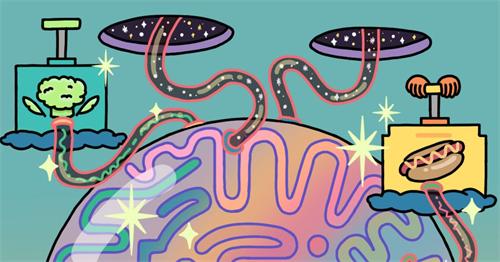
Neurologically, our brain’s reward system plays a central role in cravings. When we eat sugar or fat, the brain releases dopamine, a neurotransmitter associated with pleasure and reinforcement. This is why a decadent piece of cake or a rich cheese can feel almost irresistible. In evolutionary terms, this mechanism helped our ancestors prioritize calorie-dense foods in times of scarcity.
Interestingly, taste perception is not uniform across individuals. Genetic variations influence the number of taste buds and sensitivity to certain compounds. For example, some people are “supertasters” and experience bitterness more intensely, which can affect their liking for foods such as coffee, dark chocolate, or certain leafy greens. These biological differences partly explain why a flavor beloved in one culture might be less appealing to outsiders.
Cultural Shaping of Flavor Preferences
While biology sets the stage, culture fine-tunes the performance. Human societies develop collective taste preferences through historical, environmental, and social influences. The foods available in a region, the climate, and historical trade patterns all play a role in determining what flavors become culturally desirable.
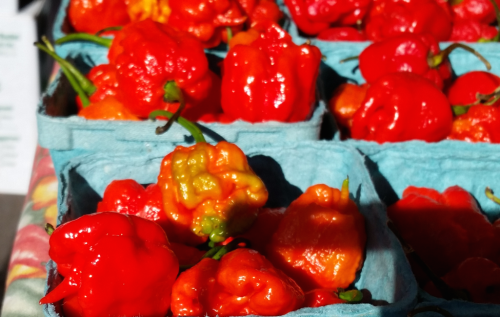
Take, for example, the global love of chili peppers. Capsaicin, the compound responsible for the heat in chili, activates pain receptors in the mouth. Why would humans enjoy something that literally hurts? The answer is partly cultural and partly adaptive. In hot climates, spicy foods may have evolved because capsaicin has antibacterial properties that help preserve food and reduce the risk of spoilage. Over generations, populations adapted both culturally and physiologically to enjoy the burn, embedding it into the cuisine. Today, countries like Mexico, Thailand, and India have cuisines renowned for their spiciness, and eating spicy food is often linked to identity and tradition.
Conversely, flavors that seem “normal” in one culture can be challenging in another. Fermented foods such as natto in Japan or surströmming in Sweden contain strong, pungent odors and tastes that many outsiders find unpleasant. Yet in their home cultures, these flavors are cherished, highlighting the role of cultural conditioning in shaping what our brains interpret as enjoyable.
Sweetness is another interesting case. While humans are biologically predisposed to enjoy sugar, the degree and type of sweetness preferred vary widely. In the United States, desserts tend to be extremely sweet, whereas in Northern Europe, sweetness is often more subdued, balanced with bitterness or acidity. These differences are shaped by historical access to sugar, local ingredients, and evolving culinary traditions.
The Interaction of Biology and Culture
Our flavor cravings are rarely dictated by biology or culture alone—they are a product of constant interaction. The brain forms associations between flavor, memory, and emotion, which can reinforce certain preferences. A child growing up in Italy might associate the taste of rich tomato sauces with family gatherings and warmth, embedding an emotional connection to those flavors. The same tomato sauce, when tasted in isolation without context, may not elicit the same craving.
Additionally, repeated exposure to certain foods can reshape taste preferences over time, a phenomenon known as flavor learning. Bitter vegetables, initially rejected by many children, can become favorites if consumed regularly and paired with positive experiences. Similarly, cultural exposure—such as travel, migration, or globalization—can introduce new flavors that the brain learns to enjoy, demonstrating its remarkable plasticity.
Modern neuroscience also shows that visual and olfactory cues enhance our cravings. The sight and smell of food activate brain regions involved in anticipation and reward, sometimes even more powerfully than taste itself. This explains why food advertising is so effective: our brains can “crave” a flavor simply by imagining it, even before we consume it.
Flavor as Social and Cultural Identity
Beyond biology and personal experience, flavor plays a pivotal role in social identity. What we eat communicates belonging, status, and cultural heritage. Spicy food in Thailand or India, wine in France, cheese in Switzerland—these flavors carry meaning that transcends nutrition. They are markers of tradition, community, and pride.
In some cases, craving a culturally significant flavor can even signal psychological comfort or nostalgia. Studies have shown that consuming familiar foods during times of stress activates the brain’s reward circuitry, reducing anxiety and eliciting feelings of safety. This partly explains the popularity of “comfort foods,” from mac and cheese in the U.S. to miso soup in Japan, which are deeply intertwined with cultural context and emotional memory.
Globalization has also added complexity to flavor cravings. Exposure to international cuisines creates hybrid palates and new preferences. Young consumers in urban areas might crave sushi, tacos, or Korean fried chicken, blending traditional tastes with global influences. The brain, adaptable as it is, integrates these experiences into its network of flavor rewards, further illustrating the interplay between biology and culture.
The Role of Modern Food Science and Marketing
Modern food production and marketing have amplified certain flavor cravings. Engineers and chefs design foods to maximize “palatability,” optimizing fat, sugar, salt, and umami levels to trigger strong dopamine responses. This phenomenon, often referred to as the “bliss point,” explains why processed foods like potato chips, ice cream, and fast food can be almost addictive.
Marketing further reinforces cravings by associating flavors with emotional experiences, social status, and identity. Limited-edition flavors, visually appealing packaging, and influencer endorsements all create anticipation and reinforce neural pathways tied to pleasure. In this sense, cultural and biological factors converge with commercial influences to shape our modern food desires.
The Future of Flavor Understanding
As research continues, we are beginning to appreciate the complexity of flavor cravings. Nutritionists, psychologists, and neuroscientists are collaborating to understand how to guide healthier eating habits without ignoring the pleasure inherent in eating. There is growing interest in leveraging cultural context, personalized nutrition, and mindful eating to align our biological impulses with well-being.
For instance, recognizing that the craving for sugar is biologically rooted in dopamine release, interventions can focus on satisfying this need with nutrient-dense alternatives rather than processed sugar. Similarly, understanding cultural food attachments can inform dietary recommendations that are both effective and respectful of heritage.
Moreover, biotechnology may soon allow us to design foods that appeal to our taste receptors while minimizing negative health impacts. Imagine a future where a chocolate-flavored snack delivers the same dopamine hit without excess sugar or fat—merging biology, culture, and innovation in a new kind of culinary experience.
Conclusion
Our brains crave certain flavors because of a delicate interplay between biological imperatives and cultural conditioning. Taste is not merely a sensory experience; it is a dynamic system influenced by genetics, physiology, emotional memory, social identity, and even global trends. The foods we desire carry stories—of survival, adaptation, tradition, and innovation.
Understanding these cravings from both a cultural and biological perspective allows us to appreciate the complexity of human taste. It reminds us that every bite is more than nutrition; it is an intersection of evolution, society, and individual experience. Whether savoring the bitterness of dark chocolate, the umami richness of miso, or the fiery heat of a chili pepper, we are participating in a rich dialogue between our brains and the world around us—a dialogue that has been evolving for millennia and continues to shape who we are today.
References
1. Shepherd, G. M. (2012). Neurogastronomy: How the Brain Creates Flavor and Why It Matters. Columbia University Press.
2. Prescott, J., & Bell, G. (1995). Cross-cultural determinants of food acceptance: A review. Appetite, 24(3), 269–284.
3. Rozin, P. (2005). The Meaning of “Natural” in Food: Some Psychological and Cultural Perspectives. Social Research, 72(2), 431–468.
4. Hayes, J. E., & Duffy, V. B. (2008). Review of genetic influences on taste perception, food selection, and health. Journal of the American Dietetic Association, 108(7), 1045–1055.
5. Mattes, R. D. (1997). Dietary compensation for supplemental energy provided by sugar and fat: A review of the literature. Physiology & Behavior, 62(2), 199–207.
Recommend:
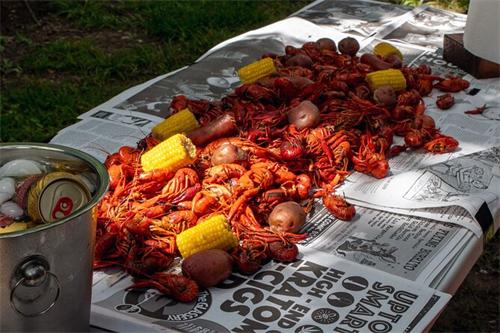
Why New Orleans Cuisine Is a Cultural Wonderland of African, French, and Caribbean Influences
The World’s Spiciest Cultures: Why Some Countries Love Heat and Others Don’t
Why Our Brains Crave Certain Flavors: A Cultural & Biological Perspective
How Colonial Trade Routes Still Shape Modern Taste Preferences